In 2026, automatic pedestrian doors must do more than open smoothly. They must protect people during approach, passage, and closing. The central question is: What are the safety standards for automatic pedestrian doors? The answer depends on the door type, installation environment, and applicable regional requirements.
Key references may include ANSI/BHMA A156.10 for power-operated pedestrian doors, ANSI/BHMA A156.19 for low-energy doors, and EN 16005 for European installations. These standards address sensors, emergency operation, opening speed, closing force, signage, guarding, and safe pedestrian zones. However, compliance is not achieved by installing one sensor. A door may meet a specification on paper yet create danger when a sensor is poorly positioned.
As automatic-door safety educator Mark Godfrey has stated, “A safe automatic door depends on correct installation, testing, and ongoing maintenance.” His point is practical. A sensor should detect a child approaching from the side, not only an adult walking directly forward. The threshold should remain clear of loose mats, carts, and standing water. Technicians should test the door with realistic traffic conditions, including wheelchairs and slow-moving users.
Small failures matter.
A door that closes too quickly can frighten users or cause impact injuries. A weak warning sign can confuse visitors during an emergency. Safety checks should include documented measurements, functional testing, and regular maintenance by trained personnel. Requirements can also vary between countries and building types. This makes a universal checklist incomplete. The responsible approach combines recognized standards, local regulations, manufacturer instructions, and honest site evaluation. Perfect compliance is never assumed; it must be verified repeatedly.
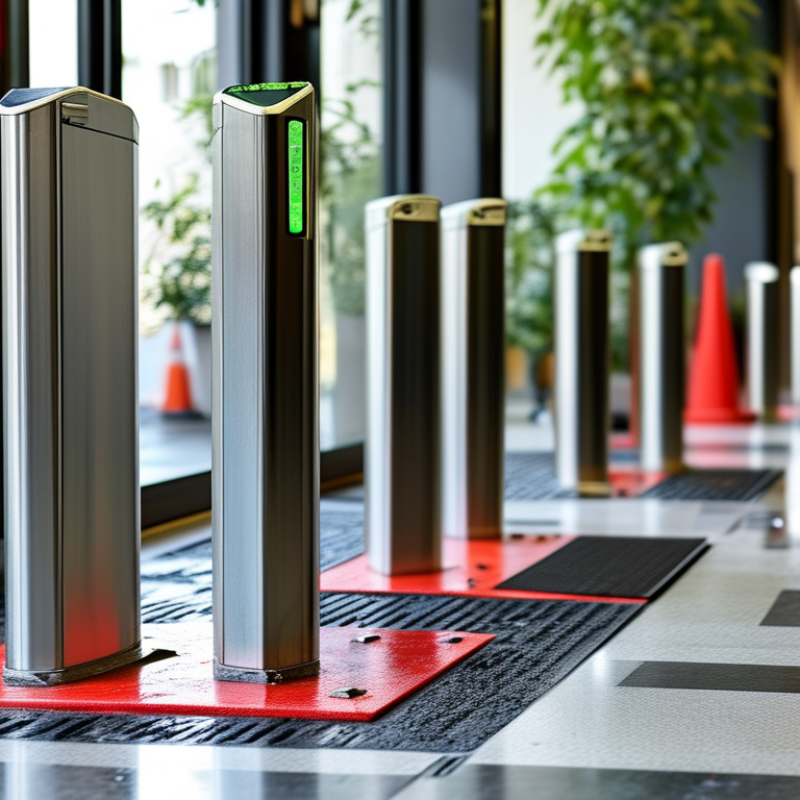
In 2026, automatic pedestrian door safety standards focus on preventing impact, trapping, and unexpected movement. Requirements vary by country and building type. Common references include EN 16005 and ANSI/BHMA A156.10. Always verify the edition adopted by local authorities.
A compliant door needs reliable presence sensors, safe opening and closing speeds, and controlled operating force. Sensors should detect a person near the threshold, including children and wheelchair users. The clear opening must remain accessible. Emergency breakout functions, visible warning signs, and manual release access also deserve attention.
A practical inspection should test the door during normal traffic, not only in ideal conditions. Check sensor response with a slow-moving person, a bag, and a mobility aid. Review maintenance records and confirm that trained technicians completed adjustments. A checklist alone is not enough. Site conditions change. Reflections, rain, dust, and poor lighting can affect detection. I would also question installations that pass a quick test but lack documented risk assessments. Safety settings need regular review, especially after construction, software changes, or heavy use.
Automatic pedestrian doors must address several risks before they serve the public. Entrapment is a major concern, especially near hinges, sliding panels, and closing edges. A person should not be trapped when the door meets resistance. Impact injuries also matter. The opening speed must suit children, older adults, wheelchair users, and people carrying bags. Sensors should detect movement across the threshold, not only directly in front of it. Small blind spots can create serious problems.
Unexpected movement presents another risk. Doors may open during faults, close during passage, or restart after power returns. Safety controls should manage these events. Backup operation and manual release procedures need clear testing. A trained technician should inspect sensor coverage, force limits, warning signals, and emergency access. Local building and accessibility requirements may differ, so the latest applicable standards must guide the inspection.
Details reveal weak installations. Watch a door cycle repeatedly during busy periods. Test it with a slow-moving person, a stroller, and a mobility device. Check the floor for trip hazards near the threshold. Keep detection zones free from signs, plants, and temporary displays. No test plan is flawless. A sensor may perform well in dry conditions but react differently after rain or dust exposure. Records should show test dates, measured results, repairs, and the person responsible. That evidence supports reliable maintenance and exposes risks that a quick visual check may miss.
2026 How to Meet Automatic Pedestrian Door Safety Standards?
Safe pedestrian access begins with how people actually move. A hospital entrance may carry wheelchairs, carts, children, and hurried visitors within seconds. Door design must support entry and exit without forcing people to stop beneath moving panels. ANSI/BHMA A156.10 and EN 16005 address activation, opening speed, closing forces, presence detection, and emergency behavior. These requirements are practical, not decorative.
The U.S. Consumer Product Safety Commission estimated 234,508 automatic-door-related injuries treated in emergency departments from 2002 to 2015. That figure shows why sensor coverage deserves careful attention. A single overhead sensor may miss a slow-moving wheelchair user. A secondary safety sensor can detect someone standing near the threshold. Clear glazing also helps pedestrians see opposing traffic. ISO 21542 recommends accessible circulation spaces, but real buildings often have tight vestibules and poorly placed furniture. Design teams should test those imperfect conditions.
Tips: Keep the threshold level and visually clear. Provide enough approach space for turning mobility devices. Test the door with children, wheelchairs, walking aids, and loaded carts. Check opening time during winter clothing and heavy foot traffic. Record sensor blind spots. Recheck after installation, because field conditions can change. Safety inspections should follow the applicable local standard and include trained personnel. A door can pass a basic test yet still feel unsafe. That gap deserves honest review.
Testing automatic pedestrian doors requires more than watching them open and close. A qualified technician should identify the applicable local safety requirements, door type, traffic setting, and risk zones. Record the equipment condition before testing. Check sensors, presence detection, emergency release, control switches, and protective edges. Look for damaged seals, loose covers, or unexpected movement. Small defects can change the test result.
During a functional test, measure opening time, closing speed, detection range, and stopping distance. Use calibrated instruments, not personal judgment alone. Place a suitable test object in the travel path and confirm that the door stops or reverses safely. Repeat the test from different approach angles. Test normal operation, reduced power, and manual release where applicable. Requirements vary by location. Do not copy limits from an old checklist. That shortcut can create false confidence.
Verification should include dated records, instrument identification, measured results, photographs, and corrective actions. An independent reviewer can compare the evidence with current requirements and the manufacturer’s technical instructions. If the door passes only after repeated adjustment, treat that as a warning. The system may need deeper inspection. I would also test after cleaning, software changes, or nearby construction. Human behavior matters, too. Observe whether users can approach, pass through, and exit without confusion. Document every failure, even when it seems minor.
A safe automatic pedestrian door needs more than compliant hardware. It needs a clear, living record of how the system performs each day. Keep inspection logs near the door or in a controlled digital file. Record the date, door location, sensor response, opening speed, closing force, emergency release, and visible damage. Add the technician’s name and the corrective action taken.
Small details matter. A photograph can show a sensor blocked by a new sign, trolley, or seasonal display. Note unusual traffic, repeated impact, or complaints about delayed opening. A missed entry is a warning. Do not quietly recreate uncertain records. Mark the gap, investigate it, and improve the inspection routine. This honest approach supports reliable decisions and protects the value of the safety file.
Review safety measures after an incident, renovation, software change, or shift in pedestrian flow. Recheck detection zones when furniture, partitions, or lighting changes. Update risk assessments when vulnerable users may be present more often. Keep current procedures, test results, training records, and applicable standard revisions together. Remove outdated instructions from noticeboards and shared folders. Staff should know whom to contact when a door behaves unexpectedly. Periodic independent review can reveal habits that internal teams no longer notice. The process may not be perfect. That is precisely why records should lead to practical updates, not merely satisfy an audit.
| Safety Dimension | Applicable Requirement or Reference | Measurable Inspection Point | Record to Maintain | Recommended Review Frequency | Update or Corrective Action | Priority |
|---|---|---|---|---|---|---|
| Accessible clear opening | 2010 ADA Standards for Accessible Design, Section 404.2.3 | Confirm at least 32 inches of clear opening width with the door open 90 degrees, where the accessible route requirement applies. | Measured clear width, measurement date, door identification, location, measuring device, inspector name, and photographs. | At commissioning, after alteration, and during the scheduled accessibility inspection. | Adjust the door position or hardware, remove obstructions, or redesign the opening if the required clear width cannot be achieved. | High |
| Opening and closing movement | EN 16005 and ANSI/BHMA A156.10 provide safety principles for power-operated pedestrian doorsets. | Verify smooth movement, stable operation, controlled closing, and no contact with pedestrians during normal operation. | Functional test result, operating mode, observed hazards, adjustment details, technician, date, and supporting video or photographs when needed. | Monthly for high-traffic entrances; otherwise according to the documented risk assessment. | Remove the door from service when unsafe movement is observed; adjust controls and complete a post-repair safety test before reopening. | High |
| Presence and safety sensors | EN 16005 and ANSI/BHMA A156.10 require protective measures appropriate to the door type, traffic conditions, and risk assessment. | Test detection zones in the approach, threshold, and closing areas. Confirm that the door remains open or reverses when a person is detected. | Sensor type, detection-zone test points, test method, results, environmental conditions, calibration or adjustment record, and defects. | Monthly and after sensor relocation, impact, software change, or construction work near the doorway. | Clean, realign, recalibrate, replace, or supplement protective devices; restrict access until the safety function passes testing. | High |
| Opening force and manual operation | 2010 ADA Standards, Sections 404.2.9 and 404.2.10, where the relevant door type and exception provisions apply. | For applicable manually operated portions, verify that opening force and hardware operation comply with the adopted accessibility requirements. Confirm manual operation during power loss. | Force measurement, instrument identification, manual-release test, power-loss result, and corrective-action reference. | At commissioning, after hardware changes, and during annual safety verification. | Adjust closers or operators, repair hardware, provide an approved emergency release, or obtain a documented technical assessment where an exception applies. | Review |
| Activation devices and approach zones | EN 16005, ANSI/BHMA A156.10, and the approved door risk assessment. | Test push plates, touchless sensors, and other activation devices from every intended approach. Confirm that activation does not create an unexpected opening or closing hazard. | Activation distance, approach direction, response result, device condition, obstruction check, and test date. | Monthly; immediately after changes to pedestrian routes, floor finishes, lighting, or nearby equipment. | Reposition or replace activation devices, restore unobstructed approach areas, and update signage or user instructions. | Routine |
| Emergency release and power failure | Applicable building, fire, accessibility, and electrical regulations adopted by the local authority having jurisdiction. | Simulate loss of normal power under a controlled procedure. Verify the required safe position, manual egress function, emergency release, and restoration behavior. | Test scenario, isolation procedure, door position, release result, battery or backup condition, restoration time, and authorizing person. | At commissioning, after electrical work, and at least annually or at the interval required by the adopted code. | Repair backup power or release components, coordinate with fire and life-safety systems, and retest before returning the door to normal service. | High |
| Threshold, floor, and entrapment hazards | 2010 ADA Standards, Section 303 for floor and ground surface changes, plus the applicable door safety standard. | Check for trip edges, loose flooring, excessive gaps, water, ice, debris, and pinch or shear points at the threshold and adjacent floor. | Condition assessment, photographs, trip-hazard measurement where applicable, housekeeping record, and repair completion date. | Daily visual check for public entrances; formal documented inspection monthly. | Remove debris immediately, isolate the area if necessary, repair floor or threshold defects, and verify accessibility after repair. | High |
| Door panels, glazing, guards, and hardware | EN 16005, ANSI/BHMA A156.10, applicable glazing requirements, and the approved installation documentation. | Inspect for cracked glass, loose fasteners, damaged rails, exposed sharp edges, abnormal noise, worn rollers, and damaged protective guards. | Component condition, defect classification, photographs, repair order, replacement part description, and final acceptance test. | Monthly in high-use areas and after any impact or reported abnormal noise. | Guard the area, replace damaged safety-critical components, and perform a complete operational and sensor test after repair. | High |
| Signage and user information | Applicable accessibility, fire, emergency-egress, and local building requirements. | Confirm that operating instructions, caution notices, emergency-release information, and accessibility signs are visible, legible, and consistent with the installed door configuration. | Sign text, location, visibility result, photograph, language review, and replacement date. | Quarterly and whenever the door operating mode or emergency procedure changes. | Replace damaged or inaccurate signs and update emergency instructions after any system or building modification. | Routine |
| Maintenance and service history | Manufacturer installation and maintenance instructions, EN 16005, ANSI/BHMA A156.10, and the site risk assessment. | Confirm that preventive maintenance covers cleaning, fasteners, guides, rollers, sensors, controls, safety devices, and functional testing. | Work order number, date, personnel qualification, components inspected, adjustments, parts replaced, test results, unresolved defects, and approval. | According to the risk assessment and maintenance instructions; increase frequency for heavy traffic, harsh weather, or repeated faults. | Revise the maintenance plan when failure trends, traffic levels, environmental conditions, or door usage change. | Review |
| Incident, near-miss, and complaint tracking | Occupational safety management practice and the organization’s documented incident-reporting procedure. | Record every injury, entrapment, unexpected movement, sensor failure, impact, near miss, and repeated user complaint. | Date and time, location, people involved, operating condition, photographs, immediate controls, root-cause findings, and closure evidence. | Report immediately; conduct trend analysis at least quarterly. | Complete a documented root-cause review, implement corrective measures, and repeat the full safety test before closing the incident. | High |
| Change management and compliance review | Current edition of the applicable local building, fire, accessibility, electrical, and automatic-door safety requirements. | Review whether changes to law, standards, building use, occupancy, pedestrian flow, door controls, or surrounding layout affect the existing risk assessment. | Change description, requirement reviewed, impact assessment, revised drawings or procedures, approval, implementation date, and staff training record. | At least annually and whenever a relevant regulation, building use, or door system changes. | Update the risk assessment, inspection checklist, emergency procedure, training material, and maintenance schedule; retain superseded records. | Review |
| Record retention and traceability | Applicable legal retention periods, contract requirements, insurance requirements, and internal document-control procedures. | Confirm that records are dated, attributable, legible, protected from unauthorized editing, and linked to a unique door identification number. | Door ID, site or zone, asset description, document version, inspector, approval status, attachments, corrective-action closure, and retention date. | Check during each internal compliance review and after any record-system change. | Correct missing or conflicting records, restrict obsolete forms, back up digital files, and preserve evidence of completed corrective actions. | Routine |
Record-control note: Apply the requirements adopted by the local authority having jurisdiction. Standard references and inspection intervals should be verified against the current edition, door type, site risk assessment, and applicable legal requirements before implementation.
It should open and close smoothly without trapping or confusing pedestrians. Sensors must detect people, wheelchairs, carts, and children. Keep the threshold level and visually clear. Safety is practical, not decorative.
One overhead sensor may miss a slow wheelchair user. A secondary sensor can detect someone near the threshold. Test blind spots from different approach angles. Sensors can still fail.
Provide enough space for turning mobility devices. Keep furniture, signs, and displays away from detection zones. Clear glass can reveal approaching pedestrians. Crowded vestibules need realistic testing.
A qualified technician should check opening time, closing speed, detection range, and stopping distance. Use calibrated instruments. Do not rely only on personal judgment. Test normal operation and emergency release.
Include wheelchair users, children, people with walking aids, and visitors carrying loaded carts. Test winter clothing and heavy traffic. Observe approach, entry, and exit. Real behavior may expose hidden risks.
Record the date, location, sensor response, door speed, closing force, emergency release, and visible damage. Add the technician’s name and corrective action. Include photographs and instrument details. Small details matter.
Review them after an incident, renovation, software change, or traffic-pattern shift. Recheck sensors after moving furniture, partitions, signs, or lighting. Cleaning can change conditions. Construction nearby can matter.
Mark the missing information instead of recreating uncertain records. Investigate the gap and improve the inspection routine. Be honest. A passed test may still hide uncomfortable problems.
This guide explains how to meet automatic pedestrian door safety standards in 2026 by focusing on reliable operation, user protection, and ongoing verification. What are the safety standards for automatic pedestrian doors? They generally require doors to detect people accurately, prevent unsafe closing, provide safe access and exit, and operate predictably during normal use or system faults. The article reviews key risks, including impact, entrapment, unexpected movement, restricted visibility, and failure during power or control interruptions.
It also outlines practical design principles, such as appropriate sensor placement, controlled opening and closing speeds, emergency release features, clear passageways, and accessible controls. To verify compliance, owners and operators should perform structured inspections, functional tests, and risk assessments using documented procedures. Regular maintenance, staff training, repair records, and scheduled reviews help ensure that safety measures remain effective as building use, equipment, or operating conditions change.

Labor Door