Loading docks are among the busiest and most hazardous areas in warehouses across China. Trucks reverse, forklifts move quickly, and workers often share the same narrow space. A wet floor, poor lighting, or an unsecured trailer can create danger within seconds. Small oversights matter.
How to prevent accidents at the loading dock? This guide introduces ten practical safety tips based on common warehouse procedures, equipment guidance, and workplace risk-control experience. It focuses on visible hazards, including trailer movement, dock edges, damaged loading plates, unstable pallets, and unclear communication. Each recommendation should support, not replace, site-specific training and professional safety assessments.
Good safety begins before loading starts. Workers should inspect the dock, confirm wheel chocks or vehicle restraints, and check that the trailer floor can carry the intended load. Forklift operators need clear routes and controlled speeds. Pedestrians need marked walkways and direct communication with drivers. Keep the area clear.
Supervision also makes a difference. A trained manager can notice repeated shortcuts, such as leaving a dock door open or walking behind a reversing vehicle. These habits may seem harmless until conditions change. No checklist is perfect. It can also become routine and ignored. Regular reviews, near-miss reporting, and honest worker feedback help keep procedures practical. The following China top 10 loading dock safety tips explain how careful planning, reliable equipment, and consistent behavior can reduce preventable accidents.
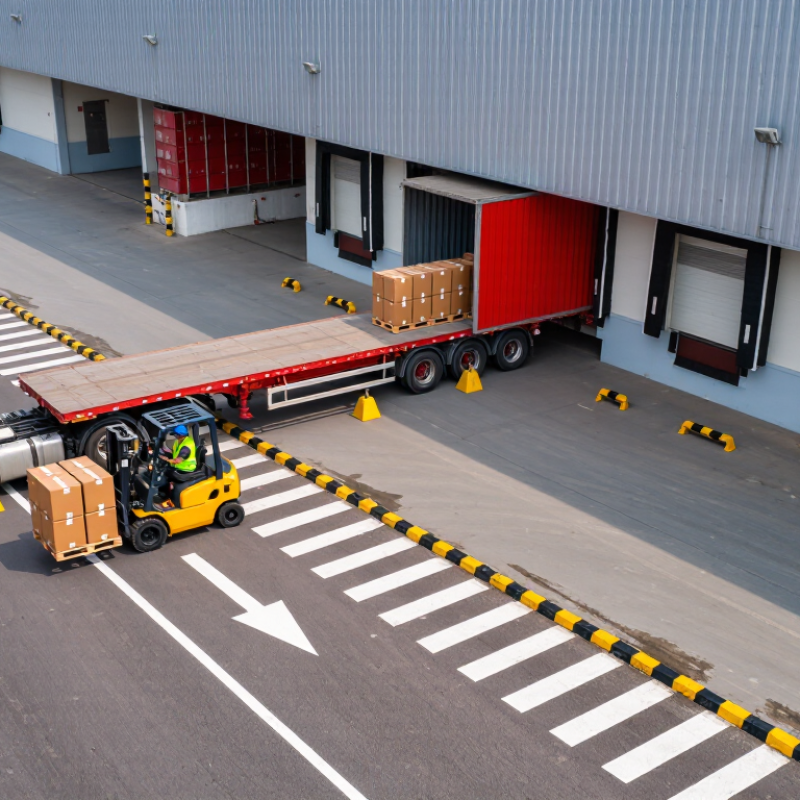
Loading docks are busy transition points where people, vehicles, and freight share limited space. Safety begins with a clear traffic plan, visible walkways, and controlled vehicle movement.
Inspect the dock before each shift. Check the floor for oil, water, broken boards, and loose wrapping. Confirm that dock plates sit securely and can support the expected load. Wheel restraints or chocks must hold the trailer firmly before loading starts. A driver should remain in the agreed safe area.
Keep pedestrians away from reversing vehicles. Use marked routes, mirrors, warning lights, and clear hand signals. Never assume a driver has seen you. That assumption causes close calls. Workers should wear suitable footwear and high-visibility clothing, especially near vehicle lanes.
Load weight should stay balanced and within equipment limits. Forklift operators need training, but training alone is not enough. Supervisors must watch real work, correct shortcuts, and record repeated hazards. A rushed operator may raise a load too high or turn sharply near an open edge.
Weather can change dock conditions quickly. Rainwater may enter through an open trailer, making the surface slippery. Poor lighting also hides damaged edges and fallen freight. Emergency stops, first-aid supplies, and incident reporting procedures should remain accessible.
A checklist helps, but it cannot replace attention. Paperwork may say “safe” while a loose plate remains unnoticed. Teams should discuss near misses honestly and adjust procedures when conditions change. That small habit often reveals risks before an injury occurs.
| No. | Safety Tip | Common Accident Risk | Recommended Safety Control | Verification and Inspection | Practical Safety Indicator |
|---|---|---|---|---|---|
| 1 | Secure the Vehicle Before Loading or Unloading | Risk: A truck or trailer can move unexpectedly, causing falls, crushing injuries, or forklift collisions. | Apply the site’s vehicle-restraint procedure before entry. Use an approved mechanical restraint or suitable wheel chocks where required, and confirm that the driver follows the site’s parking and brake instructions. | Check vehicle position, parking brake status, restraint engagement, and wheel-chock placement before dock access. | Zero loading operations started before vehicle-securement confirmation. |
| 2 | Inspect the Dock Leveler Before Use | Risk: A damaged, overloaded, or incorrectly positioned leveler may collapse, shift, or create a forklift fall hazard. | Inspect the deck, lip, hinges, springs, hydraulic components, guards, and operating controls. Do not use a leveler with structural damage, abnormal movement, or an unreadable load rating. | Perform a pre-use visual and functional check; record defects and isolate unsafe equipment until repaired. | 100% of reported defects receive a documented disposition. |
| 3 | Prevent Falls from Open Dock Edges | Risk: Employees, pedestrians, or materials may fall from an open dock when a vehicle is absent. | Keep dock doors closed when the bay is not in use. Use suitable barriers, chains, gates, or other engineered fall-protection measures at exposed edges, and maintain adequate lighting. | Inspect barriers and door interlocks where installed at the start of each shift and after any impact. | No unprotected open dock edges during active operations. |
| 4 | Separate Forklifts and Pedestrians | Risk: Reversing forklifts, limited visibility, and narrow dock areas can result in pedestrian struck-by incidents. | Mark pedestrian walkways and crossing points, install physical separation where practical, control access to loading areas, and use audible or visual warning systems when appropriate. | Check floor markings, barriers, mirrors, warning lights, and traffic routes during routine inspections. | Zero unauthorized pedestrian entry into restricted forklift zones. |
| 5 | Control Forklift Speed and Load Stability | Risk: Excessive speed, unstable loads, sharp turns, or uneven transitions can cause collisions, dropped loads, or tip-overs. | Set site-specific speed limits, require trained and authorized operators, keep loads within rated capacity, travel with the load stable, and slow down at dock edges, ramps, and intersections. | Use supervisor observations, route audits, and operator inspections to identify unsafe driving or load-handling practices. | 100% operator authorization and daily forklift pre-use checks. |
| 6 | Maintain a Clear Dock and Trailer Floor | Risk: Water, oil, broken pallets, loose packaging, and uneven trailer floors can cause slips, trips, and forklift instability. | Remove waste promptly, repair damaged flooring, keep drainage effective, use suitable anti-slip surfaces, and stop work when contamination or structural damage creates an unsafe condition. | Complete housekeeping checks at shift start, during peak activity, and after spills or adverse weather. | Spills and obstructions are controlled before work resumes. |
| 7 | Check Trailer Condition and Load Security | Risk: Damaged floors, weak walls, shifted cargo, or unsecured loads may cause cargo collapse or personnel injury. | Inspect the trailer interior before entry. Confirm that the load is stable, blocking materials are secure, and the floor can support the planned equipment and load. Do not enter a visibly unsafe trailer. | Use a documented trailer-entry checklist and escalate defects to the responsible supervisor or carrier representative. | Every trailer receives an entry condition check before loading activity. |
| 8 | Use Safe Communication and Reversing Procedures | Risk: Miscommunication between drivers, spotters, forklift operators, and dock personnel can lead to unexpected vehicle movement or collisions. | Establish one agreed communication method, use trained spotters only when necessary, maintain clear visibility, and stop movement immediately if communication is lost or signals are unclear. | Review hand signals, radio procedures, and reversing practices during induction and periodic refresher training. | No vehicle movement when the designated signaler is not visible or communication is unclear. |
| 9 | Provide Appropriate Personal Protective Equipment | Risk: Workers may suffer foot, hand, eye, hearing, or head injuries from moving equipment, falling objects, sharp packaging, and high-noise conditions. | Conduct a task-based hazard assessment and provide suitable safety footwear, high-visibility clothing, gloves, eye protection, hearing protection, or head protection where the assessment requires them. | Check PPE condition, correct use, replacement needs, and visitor compliance before entering the dock area. | PPE compliance is verified during routine supervisory observations. |
| 10 | Train, Report, and Review Near Misses | Risk: Inadequate training and uncorrected near misses allow unsafe conditions to recur and may increase the severity of future incidents. | Train workers on dock hazards, vehicle restraint, dock equipment, pedestrian routes, emergency actions, and safe manual handling. Encourage immediate reporting of hazards, near misses, and equipment damage. | Maintain training records, conduct periodic competency checks, investigate incidents and near misses, and track corrective actions to completion. | 100% completion of required training and closed corrective actions by their due date. |
Check floors, dock plates, wheel restraints, warning lights, barriers, and visible dock edges. Remove oil, water, wrapping, and broken pallets.
Use marked walkways, crossings, mirrors, warning lights, and physical barriers. Never assume a reversing driver has seen you.
Confirm the trailer is level and its wheels are restrained. Ask the driver to confirm the agreed safe position.
Keep it level, dry, clean, and non-slip. Loose straps near wheels create avoidable hazards.
Place heavier goods below lighter goods and distribute weight evenly. Inspect pallets for cracks, wet cartons, and unstable stacking.
Test the brakes, horn, forks, and power condition. Slow down near open edges and sharp turns.
Stop the task and ask a supervisor for another method. Do not guess.
Bright lighting reveals damaged edges, fallen freight, and trailer hazards. Use clear hand signals, even when radios are available.
Record the event, discuss what failed, and change the procedure. A checklist helps, but it can miss a loose plate.
No. Supervisors must observe real work, correct shortcuts, and review changing conditions. Training matters. Attention matters more.
Loading dock safety depends on understanding common hazards and building a controlled, well-organized work environment. How to prevent accidents at the loading dock? Start with a properly designed dock that has sufficient lighting, clear walkways, clean surfaces, visible warning signs, and separated routes for pedestrians and moving vehicles. Before loading or unloading, workers should confirm that the vehicle is correctly positioned, the brakes are engaged, wheel chocks or approved restraints are in place, and the trailer floor, doors, and dock plate are stable and undamaged.
Safe procedures should be followed step by step, including communicating with drivers, checking the load condition, distributing weight evenly, and keeping unauthorized people away from the work zone. Employees need regular training on equipment operation, traffic awareness, lifting techniques, and emergency response. Suitable personal protective equipment, such as high-visibility clothing, safety footwear, gloves, and head protection, should be used when required. Routine inspections, immediate hazard reporting, and clear emergency plans help reduce injuries, equipment damage, and costly interruptions.

 Labor Door