China Best Dock Seals How to Stop Air Leaks?

Time:2026-11-20 Author:Henry
0%

Air leakage around a loading dock can seem minor, yet a narrow gap may admit cold air, dust, rain, and exhaust. Workers often notice it as a draft near the dock leveler or as a strip of daylight beside a trailer. The right dock seal helps close these gaps when a vehicle is properly positioned. But no seal fits every opening.

For buyers comparing China’s best dock seals, the useful starting point is the site, not a product slogan. Measure the door opening, check the range of trailer widths and heights, and note how often vehicles dock each day. Foam compression seals suit some consistent trailer profiles; adjustable shelters may work better where vehicle sizes vary. Check fabric wear, mounting details, and whether the seal can be replaced without major downtime. Small details matter.

How to stop air leakage around loading dock doors? Inspect the perimeter, head curtain, side pads, and contact points while a trailer is docked. Look for torn fabric, flattened foam, loose fasteners, or uneven compression. A seal that looks sturdy in a catalog may still leave gaps if its dimensions do not match the site. That is easy to overlook. Installation quality matters, too, and regular checks help reveal problems before they become costly. Even a well-chosen seal cannot correct a damaged door or poorly aligned dock. This guide explores practical selection and maintenance considerations, while recognizing that the best solution depends on real operating conditions. There is no perfect fit for every warehouse.
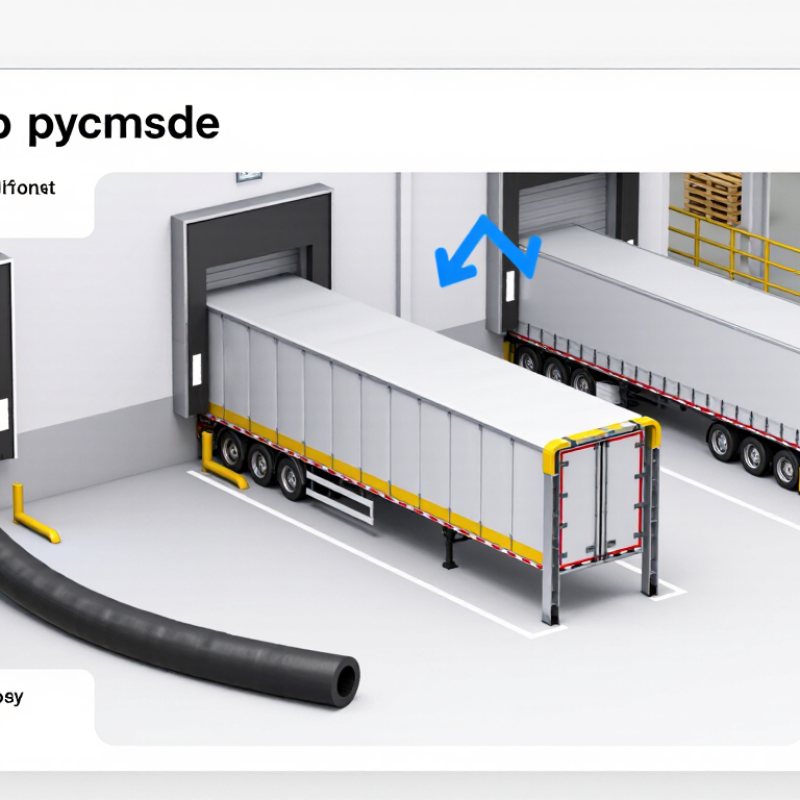
China Best Dock Seals How to Stop Air Leaks?

Identify Dock-Door Gaps and Document Trailer Contact Points

China Best Dock Seals How to Stop Air Leaks?

Identify Dock-Door Gaps and Document Trailer Contact Points

A dock seal only works when it meets the trailer evenly. With the door closed, inspect the top corners, side edges, and floor line for visible daylight. Small gaps matter. Check for compressed, torn, or polished fabric; these marks can reveal where trailers touch the seal. A bright flashlight inside the dock can help expose leaks, but repeat the check with different trailer heights and widths. One trailer rarely represents the whole fleet.

Record each inspection with the door number, trailer type, weather, and contact points. Take close-up photos of uneven compression, then note whether the gap appears at the top, sides, or threshold. The U.S. Energy Information Administration’s 2018 Commercial Buildings Energy Consumption Survey identifies space heating as a major commercial-building energy use, accounting for about one-third of site energy. That figure is building-wide, not dock-specific, but it shows why uncontrolled air movement deserves attention. Compare inspection notes over time. A seal may look acceptable from the yard and still leave a narrow corner gap. I have found visual checks useful, though they are not perfect; trailer movement and rushed loading can change the contact pattern.

Identify Dock-Door Gaps and Trailer Contact Points

Illustrative dock audit readings show the measured gap between the trailer and seal at five contact points. Larger gaps indicate areas to inspect for air leakage; replace these sample readings with measurements from your site.

Measure Air Leakage and Estimate Heat Loss: 1.08 × CFM × ΔT

Dock seals reduce air leakage by closing the gaps around a trailer at the loading door. Look for daylight at the sides and header, especially when trailer widths or heights vary. Torn fabric, loose fasteners, and poor compression can leave narrow paths for cold air. Small gaps matter.

To estimate the heat carried away, measure leakage in cubic feet per minute (CFM) and the indoor-to-outdoor temperature difference (ΔT) in degrees Fahrenheit. Use:

heat loss in BTU per hour = 1.08 × CFM × ΔT.

The factor 1.08 assumes typical air properties under standard conditions. For example, 500 CFM of leakage with a 30°F temperature difference equals about 16,200 BTU per hour. An airflow hood or qualified building professional can help assess airflow; measuring around an active dock is difficult, and wind or vehicle movement can distort readings. Treat the result as an estimate, not a precise energy bill. I would recheck after adjusting the seals, because a neat-looking fit may still leak at the corners.

Choose Dock Seals to Match Trailer and Door Dimensions

China Best Dock Seals How to Stop Air Leaks?

Choose Dock Seals to Match Trailer and Door Dimensions

Air leaks often begin where a dock seal does not meet the trailer evenly. Measure the door opening’s width and height, then check the trailers that use the bay most often. Record their rear width, height, and any features that affect contact, such as hinges or a sloped body. A seal that is too short may leave gaps at the sides; one that projects too far can be compressed excessively. Small gaps matter. Check measurements with trailers parked squarely, since an angled approach changes where the seal touches.

Tips: Measure several trailers, not just one. Compare the smallest and largest dimensions. After installation, look for uneven compression or visible daylight around the contact edges. These checks are useful, but they are not a substitute for reviewing the fit during regular dock use.

Choose seal dimensions for the actual door opening and the trailer range, rather than relying on a typical size alone. Foam dock seals suit bays with relatively consistent trailer dimensions; where sizes vary widely, ask a qualified supplier whether another sealing arrangement may fit better. Keep notes on recurring gaps and inspect the fabric, foam, and mounting points for wear. Even careful measurements can miss a real-world detail, so verify the fit after the first few deliveries and adjust the selection if needed.

Install Seals for Continuous Contact Across the Dock Opening

Dock seals stop air leaks only when they stay in contact with the trailer around the opening. During installation, center the trailer and check the seal at the top corners, sides, and lower edges. Look for daylight, loose fabric, or gaps that appear when the trailer shifts. Real docks are rarely perfect. Uneven pavement and different trailer heights can leave small openings, so inspect the fit with several vehicle types before settling the final position.

The U.S. Energy Information Administration’s 2018 Commercial Buildings Energy Consumption Survey represents about 5.9 million U.S. commercial buildings and 96 billion square feet. Its end-use data tracks space heating and cooling as major building energy demands, making uncontrolled air exchange a practical concern at busy loading areas. The survey does not measure dock-seal savings, so avoid treating building-wide figures as a guaranteed result for one facility. A careful site check is more useful: note visible gaps, door traffic, and seasonal conditions, then adjust mounting depth or seal compression as needed.

Tips: Close the dock door and inspect contact from inside and outside. Check again after the first week of operation. A seal that looks tight when idle may pull away during trailer movement. Keep this in mind.

Verify Air-Leak Reduction and Schedule Routine Seal Inspections

Dock seals should be judged by measured performance, not appearance alone. The U.S. Energy Information Administration’s 2018 Commercial Buildings Energy Consumption Survey assigns about 32% of commercial-building site energy use to space heating. That figure is not a dock-seal savings estimate, but it shows why uncontrolled heat loss deserves attention. Record indoor and outdoor temperatures, door-open time, and air movement before making changes. Repeat the checks under similar operating conditions afterward. A smoke pencil can reveal drafts around the jambs and lower corners; a handheld anemometer can help compare airflow at marked points. Small details matter.

Not every gap is obvious. A seal may look intact while a torn corner or uneven trailer contact allows air through. Log the inspection date, dock number, visible damage, and test readings. Check seals monthly, and inspect them after impacts, unusual wear, or persistent drafts. Compare results over time rather than relying on one reading. The U.S. Department of Energy’s 2018 CBECS is a useful energy-use reference, but it does not isolate loading-dock leakage. Be careful with claims: dock layout, wind, traffic, and door cycles all affect results. It is tempting to call a replacement successful immediately. Better to verify it during normal loading, then adjust the inspection schedule when recurring wear appears.

China Best Dock Seals How to Stop Air Leaks? - Verify Air-Leak Reduction and Schedule Routine Seal Inspections

Inspection Area What to Check How to Verify Recommended Frequency Action if a Leak or Defect Is Found
Seal-to-trailer contact Check that the side and head seals make even contact with the trailer during loading. Visually inspect the contact line from inside the dock. Look for gaps, folds, or sections that do not compress. At each trailer arrival; record any recurring gap locations. Check trailer positioning and seal condition. Adjust or repair the seal if proper contact cannot be achieved.
Visible daylight and perimeter gaps Look for daylight or open gaps around the dock opening when a trailer is positioned at the door. Inspect the full perimeter from the dock interior in daylight or with the dock area safely illuminated. During each operating shift and after trailer repositioning. Reposition the trailer if needed; inspect for worn, torn, or displaced seal sections.
Air movement at suspected leaks Identify air movement at corners, seams, and points where the seal meets the wall or trailer. Use a smoke pencil or other non-flame airflow indicator. Keep the test consistent and follow site safety procedures. Monthly, and whenever occupants report drafts or temperature changes. Mark the leak location and inspect the seal attachment, compression, and adjacent dock structure.
Seal fabric, foam, and fasteners Check for tears, cracks, abrasion, compression damage, loose fasteners, and separation from the wall. Inspect the entire seal surface and attachment points. Photograph defects to compare their condition over time. Weekly visual check; detailed inspection monthly. Tighten or repair loose attachments where appropriate. Replace damaged components that prevent continuous contact.
Air-leak reduction verification Compare leakage before and after adjustment or repair under similar door, trailer, and weather conditions. Use the same airflow or pressure test method at the same locations. Record test conditions and results. If airflow is measured, calculate reduction as (before − after) ÷ before × 100%. After installation, adjustment, or repair; repeat during scheduled reviews. If readings do not improve consistently, recheck contact, perimeter gaps, and test conditions before deciding on further repairs.
Door operation and clearance Confirm the door opens and closes freely and does not snag, pull, or damage the seal. Operate the door through a complete cycle and inspect the seal for rubbing or displacement. Weekly and after any dock-door or seal work. Stop repeated operation if damage is worsening. Have the door alignment and seal clearance checked by qualified personnel.
Inspection records and trends Track inspection dates, dock position, observed gaps, repairs, and verification results. Use a consistent checklist and compare photos or test readings from previous inspections. Update at every inspection; review monthly. Prioritize recurring leak locations and increase inspection frequency where damage or heavy use is common.

Inspection intervals are practical starting points. Adjust them to match dock usage, site conditions, and the seal or door manufacturer's maintenance instructions.

FAQS

How can I spot air leaks around a dock seal?

Close the door and check the top corners, side edges, and floor line for daylight. A bright flashlight can reveal narrow gaps. Small gaps matter.

What details should I record during an inspection?

Note the dock number, trailer type, weather, and gap location. Photograph torn fabric or uneven compression. I sometimes miss a corner on the first pass.

Should I inspect only one trailer?

No. Check trailers with different widths and heights, since one trailer rarely represents the fleet. An angled approach can also change contact.

How do I choose suitable seal dimensions?

Measure the door opening and several trailers, including the smallest and largest. Check rear width, height, hinges, and body shape. Then verify the fit during actual deliveries.

What can uneven compression tell me?

It may show where a trailer presses too hard or fails to meet the seal. Look for polished fabric, tears, and visible gaps.

Are foam dock seals right for every bay?

They can suit bays with fairly consistent trailer dimensions. Where trailer sizes vary widely, another sealing arrangement may fit better. Check with a qualified supplier.

How can I test whether air leakage has changed?

Record indoor and outdoor temperatures, door-open time, and airflow before and after adjustments. A smoke pencil can reveal drafts; an anemometer can compare airflow at marked points.

How often should dock seals be inspected?

Check them monthly and after impacts, unusual wear, or persistent drafts. Compare notes over time, not just one reading. Looks can mislead.

Conclusion

How to stop air leakage around loading dock doors? Start by identifying visible gaps around the dock opening and noting where each trailer makes contact with the building. Measure airflow where possible and estimate the potential heat loss using 1.08 × CFM × ΔT, where CFM represents airflow and ΔT is the indoor-to-outdoor temperature difference. This helps prioritize problem areas and choose an appropriate sealing solution.

Select dock seals based on the door opening and the range of trailer heights and widths served. Install them so they maintain continuous contact around the trailer without obstructing safe movement or normal dock operations. After installation, compare air leakage with the initial measurements and check for remaining gaps. Regular inspections can reveal worn, compressed, or damaged sections early, helping maintain an effective seal and limit avoidable energy loss over time.

Henry

Henry

Henry is a dedicated marketing professional with a profound expertise in the company's offerings. With years of experience in the industry, he possesses an impressive understanding of the market dynamics and consumer behaviors that drive success. Henry is committed to sharing his insights through......