In the bustling world of retail, safety is paramount. Customers constantly move in and out, creating an environment that demands efficiency and security. A key question emerges: "Are glass automatic doors safe for high-traffic retail?" According to Dr. Emily Johnson, a leading expert in retail safety, "The design and functionality of these doors can significantly impact customer safety."
Glass automatic doors offer convenience but can pose risks. They might not always be easy to spot, especially in high-traffic areas. Shoppers engrossed in their phones could easily overlook them. Moreover, the potential for accidents increases with larger crowds. Dr. Johnson highlights that “proper maintenance and clear signage are essential.”
Retailers should evaluate their door systems thoroughly. They must assess foot traffic patterns and visibility issues. Investing in safety measures could prevent accidents. Retail environments can be vibrant hubs, but they also call for vigilance regarding safety. Balancing aesthetics with functionality is a challenge that requires continuous reflection.
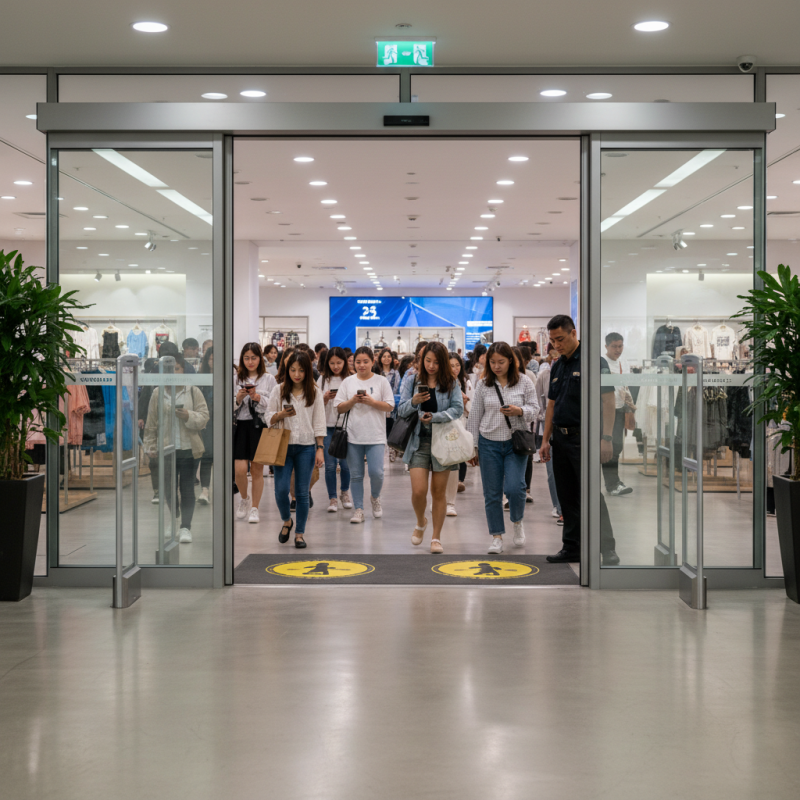
Glass automatic doors can enhance the aesthetic appeal of retail spaces. They provide easy access for customers, making shopping more enjoyable. However, safety is crucial in busy environments. Automatic doors should have various features to protect patrons.
Sensor technology is a key safety feature. It detects when someone is near. This prevents the doors from closing on individuals. Some systems also include safety edges. These edges sense pressure and stop the door if an object is detected. Nonetheless, sensors can fail. Regular maintenance is essential to ensure they work properly.
Another important feature is visibility. Clear doors allow customers to see through them. This reduces accidents caused by collision. However, reflections can confuse some people. Retailers must ensure proper lighting to mitigate this issue. While glass doors offer elegance, they also require careful consideration of safety measures. It's important for businesses to address these concerns actively.
Glass automatic doors are a common sight in busy retail environments. However, they come with several hazards. These doors may pose risks if not properly maintained. Cracks or chips in glass can lead to serious injuries. People may not notice subtle damages until it is too late. Even small defects can make doors shatter unexpectedly.
Additionally, the sensors that operate these doors may fail. A malfunctioning sensor can lead to doors closing unexpectedly. This can result in injuries for shoppers entering or exiting. Foot injuries are common when doors close too quickly. Children and elderly individuals are particularly at risk. They may not react fast enough to avoid harm.
Noise is another issue. Glass doors can create startling sounds when they close. This can lead to panic, especially in a busy environment. Employees may become distracted, focusing more on the noise than customers. Training staff to monitor these doors is crucial. Regular inspections can help catch potential hazards. Reflecting on these risks is essential for improving safety in retail spaces.
This chart illustrates the frequency of various hazards associated with glass automatic doors in busy retail environments. The data represents the percentage of reported incidents over a one-year period.
In busy retail environments, glass automatic doors face intense foot traffic daily. This constant use brings up concerns about their safety and durability. Over time, frequent collisions can cause wear and tear. Cracks or chips in the glass can lead to hazards. Proper maintenance is essential to address these issues promptly.
Tips for ensuring door safety include regular inspections. Check for any signs of damage, like chips or misalignment. A simple visual check can prevent major accidents. Installation of safety features, such as sensors, can also help manage foot traffic. These sensors detect people approaching, ensuring the doors operate smoothly.
In high-traffic areas, consider using tempered glass. It is stronger and can withstand impacts better than regular glass. However, even tempered glass can shatter under significant force. Retailers should be mindful of this risk. Training staff to monitor door functionality can create a safer environment. Encouraging customers to push doors gently can also reduce impacts.
Glass automatic doors have become popular in busy retail environments. However, their maintenance is crucial for safety. Regular inspections are essential. Check for cracks or chips in the glass. Dirty or smudged doors can obscure visibility, leading to accidents. A simple cleaning routine can enhance clarity. Using appropriate cleaning solutions is vital to avoid damage.
In addition to cleanliness, monitoring the mechanical components is important. Sensors should be checked frequently to ensure proper functioning. Misaligned sensors can cause the doors to malfunction. This can create hazardous situations. Regular maintenance can prevent these issues. Staff should be trained to report any irregular sounds or movements.
Implementing a maintenance log can be helpful. Documenting inspections and repairs keeps track of potential problems. This proactive approach can save time and costs in the long run. Often, it requires effort to adhere to these practices consistently. But, the safety of customers and employees must come first. Even small lapses can lead to bigger issues.
In busy retail environments, safety must be a top priority. Automatic glass doors can pose risks if not correctly managed. According to the American National Standards Institute (ANSI), nearly 40% of injuries related to automatic doors are caused by improper functioning. Ensuring compliance with safety standards is crucial.
Retailers must adhere to regulations set by agencies like the Occupational Safety and Health Administration (OSHA). Regular inspections of automatic doors can help identify potential issues. A report from the National Institute for Occupational Safety and Health (NIOSH) highlighted that proactive maintenance reduces injury rates significantly. Still, many retail managers overlook this.
Training employees on door operation protocols is essential. Improper use can lead to accidents. Surveys show that 30% of retail employees feel unprepared to handle door-related issues. Even with regulations in place, gaps in training can leave workers vulnerable. The balance between accessibility and safety is delicate, demanding ongoing vigilance and adjustment.
: Hazards include cracks, chips, and malfunctioning sensors. Small defects can cause sudden shattering.
Cracks and chips can lead to serious injuries. People often overlook subtle damage until it's too late.
They may not react quickly enough to doors closing. This can result in foot injuries or accidents.
Employees need training on door operation and safety protocols. Many feel unprepared for door-related issues.
Regular inspections are vital. Look for cracks, chips, and check sensor functions frequently.
Dirty doors obscure visibility and increase the risk of accidents. A simple cleaning routine enhances safety.
A maintenance log tracks inspections and repairs. This proactive approach helps identify potential problems early.
Yes, compliance with safety standards reduces injury rates. Regular maintenance is often overlooked by managers.
Yes, noise can startle people and distract employees. Monitoring these sounds is crucial for safety.
Consistent adherence requires effort, yet lapses can lead to significant safety issues. Safety must always come first.
In addressing the question, "Are glass automatic doors safe for high-traffic retail?" it's crucial to consider their safety features, such as sensors and emergency stop mechanisms, which enhance customer protection. However, common hazards exist, including the risk of breakage or malfunction due to intense foot traffic. The durability of these doors can be significantly impacted by the volume of customers, making regular maintenance essential.
Best practices for maintaining glass automatic doors involve routine inspections and prompt repairs to ensure they function correctly and safely. Additionally, adherence to regulatory standards and compliance is vital for creating a secure retail environment. By understanding and mitigating potential hazards, retailers can provide a safer shopping experience for their customers while effectively managing the implications of high traffic.

Labor Door