What to Do When Your High Speed Door Fabric Tears?

Time:2026-05-19 Author:Ethan
0%

A high-speed door fabric is essential for smooth operations in various facilities. However, wear and tear can lead to unexpected damages. When facing fabric tears, many may wonder, "What to do when a high-speed door fabric tears?" Understanding how to respond quickly and effectively is key.

Proper maintenance and prompt action are critical. Assess the damage first. Simple tears might be manageable with basic repairs. Larger rips require more comprehensive solutions. Ensure you have the right tools and materials for temporary fixes. Professional help may be necessary, especially for complex issues.

Ignoring minor tears can lead to bigger problems. A torn fabric might impact safety and efficiency. Regular inspections will help identify weak spots before they escalate. Knowledge and proactive measures can save time and costs. Always consult with experts for guidance. Their insight can make all the difference in ensuring your high-speed door remains functional and safe.
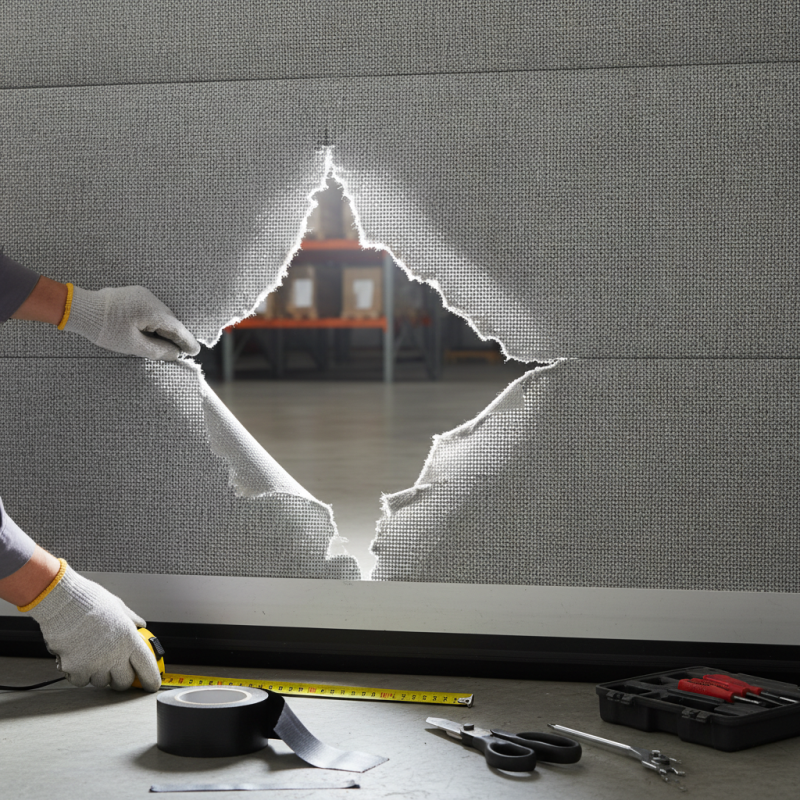
What to Do When Your High Speed Door Fabric Tears?

Understanding the Importance of High-Speed Door Fabric Integrity

High-speed doors are essential in various industries. Their fabric integrity directly impacts efficiency and safety. A tear in the fabric can lead to operational delays and increased energy costs. If the fabric is compromised, air leakage increases. This not only affects temperature control but also increases the risk of contaminants entering the environment.

It’s crucial to understand why fabric integrity matters. A well-maintained door keeps traffic flowing smoothly. It protects equipment and personnel from hazards. Regular inspections can help identify wear and tear before it escalates into a bigger problem. However, many neglect these checks, leading to unexpected breakdowns.

When a tear occurs, quick action is necessary. Assess the extent of the damage first. A minor rip might be repairable, while a significant tear often indicates that replacement is needed. It’s important to document the incident to adjust maintenance schedules. Reflecting on your response can also improve future handling of similar situations. An effective approach fosters a culture of safety and awareness.

Identifying Common Causes of Fabric Tears in High-Speed Doors

High-speed doors are vital for efficient operations, yet fabric tears can occur more often than expected. Identifying the common causes is key to preventing further damage. One prevalent issue is improper installation. If the door is not aligned correctly, wear and tear increase. This misalignment may lead to fabric contact with surrounding objects, resulting in tears.

Another common cause is misuse during operations. Fast movements or abrupt stops can stress the fabric. Employees may inadvertently treat these doors without caution. Regular training on proper usage is essential to mitigate this risk. Environmental factors also play a role. Extreme temperatures or exposure to moisture can weaken materials, making them more susceptible to tears.

Maintenance is often overlooked. A lack of regular inspections can allow small issues to escalate. Ignoring minor signs of wear can lead to costly repairs. Establishing a routine check-up schedule improves the fabric's longevity and overall door performance. These practices not only enhance reliability but also ensure safety in high-traffic areas. Addressing these causes proactively can preserve your high-speed door's effectiveness.

What to Do When Your High Speed Door Fabric Tears? - Identifying Common Causes of Fabric Tears in High-Speed Doors

Cause of Tear Description Preventive Measures Repair Options
Impact Damage Caused by vehicles or equipment hitting the door. Install safety sensors and signage. Patch repairs or replace damaged fabric.
Environmental Factors Extreme temperatures or humidity affecting material integrity. Choose materials suitable for the environment. Use weather-resistant coatings or replace fabric.
Improper Installation Misalignment during installation can cause stress on fabric. Ensure proper alignment and tension settings during installation. Realign or reinstall the door correctly.
Wear and Tear Fabric deteriorates over time due to regular usage. Regular maintenance checks to inspect fabric condition. Replace worn fabric panels.
Foreign Object Intrusion Objects getting caught in the door mechanism. Maintain clear areas around the door. Remove debris and repair or replace the fabric as needed.

Step-by-Step Guide to Assessing the Damage to the Fabric

When a high-speed door's fabric tears, it's crucial to assess the damage promptly. Start by examining the extent of the tear. A small rip may only need a patch, while a larger tear could require replacement. According to industry statistics, around 30% of high-speed door issues stem from fabric damage. This highlights the necessity of regular inspections.

Next, check the mechanisms. Ensure that the door operates smoothly despite the tear. Malfunctions might indicate additional underlying issues. Reports show that improper handling can lead to mechanical failures in 25% of cases. Take photographs of the damage for reference, as this will assist in discussions with your repair team.

Consider environmental factors contributing to the wear and tear. High foot traffic areas are more prone to damage. Also, monitor for exposure to harsh chemicals or extreme weather conditions. Recognizing these signs can prevent future mishaps. It's vital to reflect on maintenance practices. Regular maintenance can extend the fabric's lifespan significantly, reducing unexpected repair costs.

Assessing Damage to High Speed Door Fabrics

Methods for Repairing High-Speed Door Fabric Tear Efficiently

When high-speed door fabric tears, immediate action is essential to maintain operational efficiency. Start by assessing the damage. If the tear is small, it may be possible to patch it instead of replacing the entire fabric. A repair kit designed for high-speed doors often includes adhesives and fabric patches. Ensure the fabric edges are clean and dry before applying a patch, as this promotes a better bond.

For larger tears, you might need to consider a more extensive repair. Sewing the fabric can be an option, but it requires sewing skills and the right materials. Heavy-duty thread and a reinforced needle are crucial here. Take your time. Rushing can lead to uneven seams, which may weaken the integrity of the repair. If you aren’t confident in your ability to sew, professional repair services can provide expertise that ensures durability and safety.

Always remember that regular maintenance can prevent tears from happening in the first place. Inspect the door fabric routinely for signs of wear and tear. Addressing minor issues quickly can save time and money down the line. In the end, every repair teaches a lesson about the importance of careful handling and proper upkeep.

Preventive Measures to Avoid Future Fabric Tears in High-Speed Doors

High-speed doors are crucial in many industrial settings, providing efficiency and security. However, fabric tears can lead to downtime and costly repairs. To mitigate these issues, implementing preventive measures is essential.

Regular maintenance is key. Schedule inspections every month to identify wear and tear. According to a report by the International Door Association, up to 30% of equipment failures stem from lack of maintenance. Additionally, ensure the door sensors are functioning properly. Misaligned sensors can cause doors to close unexpectedly, risking fabric damage.

Tip: Install protective barriers or bumpers around the door area. This simple addition can prevent accidental impacts that often lead to fabric tears.

User training is also critical. Employees should be aware of the consequences of improper use. Clear guidelines can reduce the risk of human error. Studies show that training can reduce accidents by 50%.

Tip: Create a visual guide near the door. This reminder can help staff remember to operate the door correctly.

By taking these steps, businesses can minimize fabric tears and maintain efficient operations. Proactive strategies not only improve the lifespan of high-speed doors but also enhance workplace safety and productivity.

FAQS

: What should I do first when I notice a tear in high-speed door fabric?

: Start by assessing the extent of the tear. Determine if it needs a patch or full replacement.

How can I ensure the door operates smoothly after a tear?

Check the mechanisms. Smooth operation despite the tear may indicate no further issues exist.

What common issues contribute to high-speed door fabric tears?

High foot traffic and exposure to harsh conditions can increase the likelihood of fabric damage.

How often should I inspect my high-speed door fabric?

Schedule monthly inspections to catch wear and tear early. This helps prevent extensive repairs.

What materials are useful for repairing small fabric tears?

A repair kit with adhesives and patches is helpful. Ensure edges are clean and dry for a strong bond.

When is it better to hire a professional for repairs?

If you're unsure about sewing or repairing, hiring a professional ensures durable and safe repairs.

What mistakes should I avoid when repairing high-speed door fabric?

Rushing repairs can lead to uneven seams, weakening the fix. Take your time for better results.

How can I prevent future fabric tears?

Install protective barriers around the doors and provide user training to minimize accidental impacts.

Why is regular maintenance important for high-speed doors?

Regular maintenance can identify minor issues and prevent costly failures. It's crucial for long-term efficiency.

What role does employee training play in preventing fabric tears?

Training staff on proper usage greatly reduces the risk of damage. Visual guides can reinforce these practices.

Conclusion

When facing the issue of fabric tears in high-speed doors, it is essential to understand what to do when a high-speed door fabric tears. First, recognizing the importance of maintaining the integrity of the fabric is crucial, as it ensures the door functions efficiently and safely in various environments. Common causes of fabric tears include wear and tear, impact from equipment, and environmental factors.

To effectively assess the damage, follow a step-by-step guide that evaluates the extent of the tear. Once assessed, there are various methods for repairing the fabric, ranging from simple patching to complete replacement, depending on the severity. Additionally, implementing preventive measures, such as regular maintenance checks and training staff on safe practices, can significantly reduce the likelihood of future fabric tears. By taking these steps, you can ensure the longevity and performance of your high-speed door system.

Ethan

Ethan

Ethan is a seasoned marketing professional with a deep expertise in our company's innovative product line. With a passion for sharing knowledge and insights, he takes the lead in regularly updating our corporate blog, where he explores industry trends, product features, and effective marketing......