High-speed doors are essential in various industries, facilitating quick transit and energy efficiency. However, fabric tears can occur due to wear and tear, impacting performance and safety. Understanding "What to do when a high-speed door fabric tears?" is crucial for maintaining operational efficiency.
According to a report by the National Institute of Standards and Technology, equipment failure can lead to significant downtime costs, estimated at $260,000 per hour. Effective handling of fabric tears can significantly reduce these costs. Ignoring minor damages can exacerbate the issue, leading to more extensive repairs.
The immediate response to a fabric tear involves assessing the damage and determining whether a patch or complete replacement is needed. Regular maintenance protocols play a vital role in preventing such incidents. However, many facilities overlook routine inspections. Adopting a proactive approach is essential for ensuring the longevity and reliability of high-speed doors.
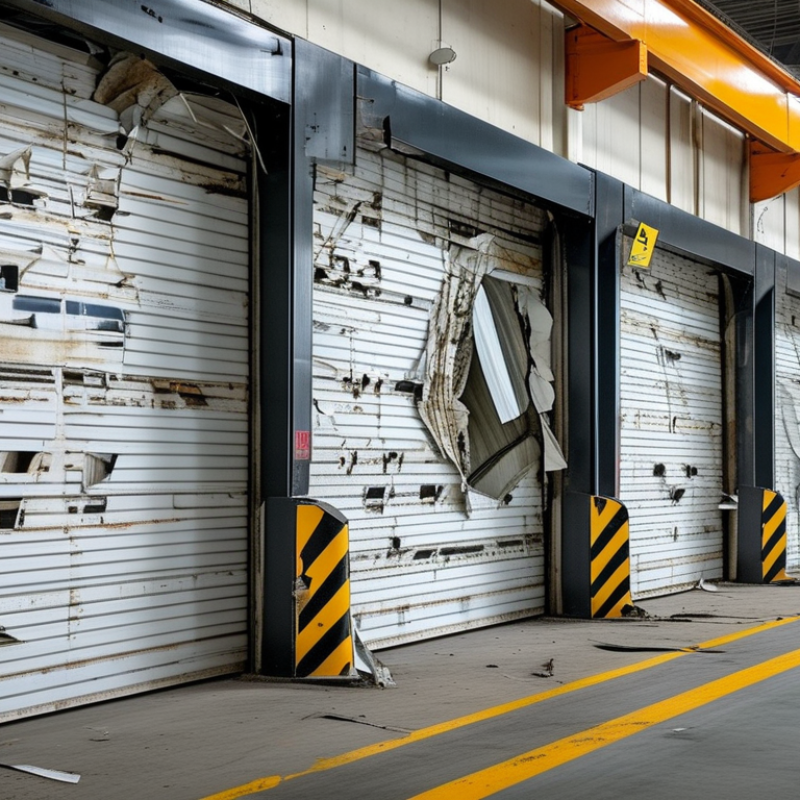
Identifying the Signs of a Tear in a High Speed Door Fabric
Identifying the signs of a tear in a high-speed door fabric is crucial for maintaining efficiency in high-traffic areas. Studies show that 70% of operational downtime in warehouses results from equipment failure, including door malfunctions. Early identification of tears can minimize potential interruptions. Check for any visible rips or uneven edges on the fabric. These can compromise the door’s function and safety.
Regular inspections are vital. Look out for abnormal noise during operation or inconsistent speed. These could indicate that the fabric is damaged. Additionally, observe for gaps when the door is closed. A gap can allow for air or insects to enter, leading to contamination. Research shows that even a small tear can increase energy costs by 20%.
Pay attention to maintenance habits. Keep the door tracks clean and ensure that sensors are functioning correctly. A well-maintained door is less prone to tearing. Engage staff in the inspection process. Encourage them to report any unusual signs immediately. A collective effort can enhance safety and prolong the life of high-speed doors.
Assessing the Extent of Damage to the Door Fabric
When a high-speed door fabric tears, assessing the damage is crucial. Start by examining the size of the tear. Is it small, perhaps just a few inches? Or is it larger, compromising the door's integrity? Small tears may be easily repairable, while larger ones often indicate more severe issues. Use a measuring tape for accuracy. Document the damage with photos for reference during repair discussions.
Next, check for any additional wear. Look for frayed edges or other weak spots. This step is vital. A small tear can often be a sign of a bigger problem, like excessive stress on the fabric. The location of the tear matters too. If it's near a seam, it might need complete replacement rather than a quick fix.
Consider environmental factors as well. Has the door been exposed to harsh conditions? UV rays or moisture can degrade the fabric over time. All these factors contribute to the overall assessment. Reflect on whether your maintenance routine is sufficient. Sometimes, a brief inspection can prevent future tears and prolong the life of your door. Act with caution, and prioritize the safety and functionality of the door.
Steps to Safely Remove the Torn Door Fabric
Dealing with a torn high-speed door fabric can be challenging. When you notice a tear, it is crucial to act promptly and safely. Start by ensuring the area is clear of hazards. Remove any items or equipment that could obstruct your path. Wear appropriate safety gear, like gloves and goggles, to protect yourself during the process.
Begin by assessing the condition of the fabric. If the tear is small, you might only need to patch it. For larger tears, removing the entire fabric may be necessary. Carefully detach the fabric from the door frame. Take your time, as rushing can lead to accidents. Make sure to note how the fabric was installed. This will help during reinstallation. If you're feeling unsure, it's okay to ask a colleague for help.
Once the fabric is removed, inspect the door components. Look for any damage that might need attention. Reflect on what caused the tear and consider whether preventive measures are needed in the future. Document your process to improve for next time. Taking these steps can enhance safety and preserve the integrity of your high-speed door system.
Repairing or Replacing the Torn Fabric: Options and Techniques
When a high-speed door fabric tears, immediate action is essential. Identifying whether to repair or replace the torn fabric depends on several factors, including the extent of the damage and the door's age. According to industry reports, around 70% of fabric tears can be repaired if addressed promptly. Common repair techniques include patching or sewing, which can restore functionality while extending the door's lifespan.
For those considering replacement, a thorough assessment is crucial. Replacement may involve choosing new fabric that meets specific durability standards. High-speed doors, often used in high-traffic areas, require materials engineered for rapid operation. A reliable material can reduce future maintenance costs and enhance operational efficiency. Current trends indicate that modern fabrics, such as polyester blends, can withstand wear better than older materials.
Awareness of the door's operating environment is vital. External factors, like weather and heavy traffic, contribute to wear and tear. Regular inspections are necessary to identify potential issues early. Consider investing in additional protective measures, like barriers or guards, to mitigate the risk of future damage. Effective maintenance is key to keeping these doors operational, as avoiding neglect can save significant repair costs.
Preventive Measures to Avoid Future Fabric Tears in High Speed Doors
High-speed doors are essential for modern facilities, providing efficiency and protection. However, fabric tears can disrupt operations. Preventing these issues involves proactive maintenance and careful management.
Routine inspections are crucial. Check the fabric for signs of wear or damage regularly. Look for frayed edges or punctures. Contaminants like dirt can weaken the material over time. Keep the area clean and free of obstacles. Train staff to operate doors correctly, minimizing misuse.
When installing, ensure proper tension and alignment. Misaligned doors are more prone to tearing. Consider environmental factors, like high winds, which can exert extra stress. Invest in reinforced materials where necessary.
Reflecting on past incidents can provide insight. Analyze why previous tears occurred. Was it equipment failure or improper handling? Use this knowledge to improve your preventive measures. With diligence, you can extend the life of your high-speed doors significantly.
FAQS
: Look for visible rips or uneven edges. These are signs of potential damage.
Even small tears can increase energy costs by 20%. They can also lead to operational downtime.
Regular checks help detect signs of wear early, preventing further damage and maintaining efficiency.
Staff should report abnormal noises, inconsistent speeds, or gaps when the door is closed.
High winds can exert stress on the fabric, increasing the risk of tears.
Keep tracks clean, ensure sensors work, and engage staff in the inspection process.
Misuse during operation can create additional strain, leading to damage that could have been avoided.
A clean area reduces contaminants that can weaken the fabric over time, enhancing durability.
Proper training minimizes misuse, reducing the likelihood of damage to the door fabric.
Analyzing past tears helps identify causes, allowing you to develop better preventive strategies.
Conclusion
When faced with the issue of a high speed door fabric tearing, knowing what to do when a high speed door fabric tears is crucial for maintaining operational efficiency and safety. The process begins with identifying the signs of damage, such as visible tears or malfunctions in the door's functionality. Once the damage is recognized, assessing the extent is essential to determine if a simple repair is sufficient or if replacement is necessary.
For those dealing with torn door fabric, the next steps involve safely removing the damaged material and considering options for repair or replacement. Techniques for patching or substituting the fabric can vary, but ensuring a proper fix is vital to prevent recurrence. Finally, implementing preventive measures, such as regular inspections and maintenance, can help avoid future tears, ensuring the longevity and reliability of high speed doors.

 Labor Door