How Often Should You Inspect Industrial Dock Levelers?

Time:2026-05-13 Author:Aria
0%

In industrial environments, dock levelers are vital for smooth operations. They bridge the gap between trucks and loading docks. Without proper inspection, these crucial components may fail, leading to accidents and costly downtime. Experts suggest regular inspections are essential for safety and performance.

A report by the Material Handling Industry indicates a significant number of workplace injuries occur due to malfunctioning dock levelers. To maintain safety and efficiency, many industry professionals emphasize the question, "How often should industrial dock levelers be inspected?" It's not just about compliance; it's about fostering a safety culture. Neglecting maintenance can result in severe consequences.

Despite the recognized importance, some facilities overlook inspection schedules. This oversight can lead to unexpected failures and increased repair costs. Establishing a regular inspection regime not only meets safety standards but also enhances operational efficiency. The balance between compliance and proactive maintenance is crucial for any industrial operation.
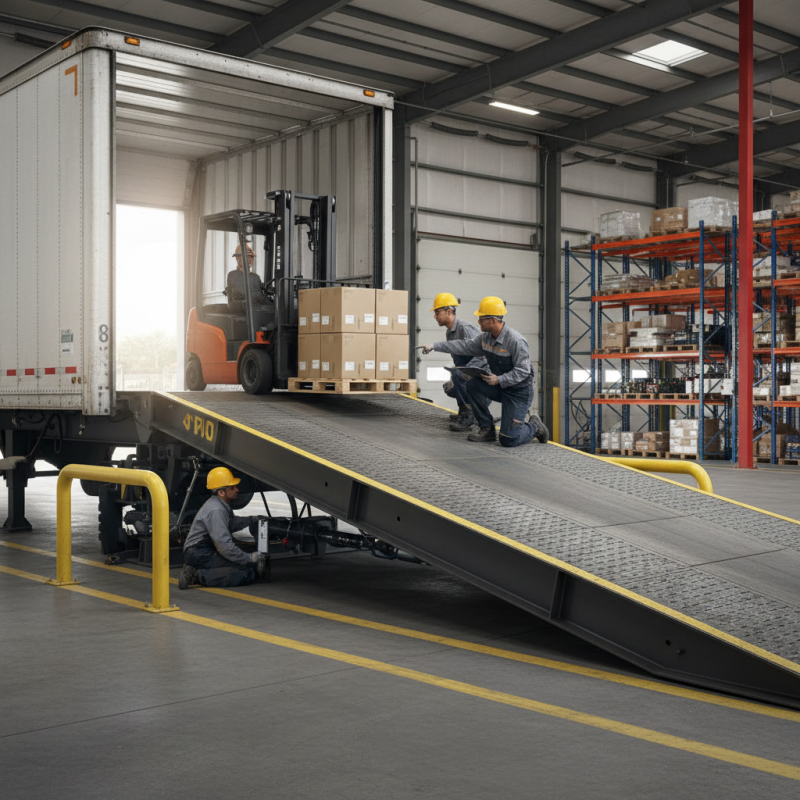
How Often Should You Inspect Industrial Dock Levelers?

Frequency of Inspections for Industrial Dock Levelers

The frequency of inspections for industrial dock levelers is crucial for safety and efficiency. These devices are often used in high-traffic areas, where wear and tear can occur quickly. Regular inspections are essential to identify any issues before they escalate. Experts recommend inspecting dock levelers at least once a month. This allows for early detection of mechanical problems, such as misalignment or hydraulic leaks.

In addition to monthly checks, it’s wise to conduct more frequent inspections during peak usage times. This could be seasonal or based on demand. Keeping a log of inspections can provide insights into patterns of wear. For example, if certain levelers show frequent issues, it may be time to analyze their use or consider replacement. Overall, the goal is to maintain safety and streamline operations. However, inspection schedules can sometimes be overlooked or rushed. This neglect may lead to dangerous situations down the line. Regular, thorough checks can help prevent that risk.

Factors Influencing Inspection Frequency for Dock Levelers

When considering how often to inspect industrial dock levelers, several key factors come into play. One major factor is the frequency of use. High-traffic docks may require inspections more often than those that see less activity. A dock leveler used multiple times a day could experience more wear and tear. This might lead to potential safety risks if not monitored closely.

Environmental conditions also play a significant role in inspection frequency. Facilities located in harsher climates, such as areas with extreme temperatures or frequent rain, may find their dock levelers deteriorating faster. Regular checks could help identify corrosion or mechanical issues before they escalate into expensive repairs. Operators should pay attention to the specifics of their environment to determine a suitable schedule.

Lastly, maintenance history should inform your inspection plan. If past inspections revealed recurring problems, it might indicate a need for more frequent checks. On the other hand, a record of reliability could allow for more flexible scheduling. A thorough understanding of these influencing factors can help ensure the dock levelers remain safe and functional.

Signs Indicating the Need for Immediate Inspection

When it comes to industrial dock levelers, regular inspections are crucial for safe and efficient operations. Some signs indicate an urgent need for inspection. For instance, if the leveler makes unusual noises during operation, it’s time to take a closer look. Grinding or squeaking sounds often point to worn-out components. These noises can indicate serious underlying issues, which shouldn’t be ignored. Ignoring them can lead to bigger problems down the line.

Another indicator is visible wear or damage on the leveler’s surface. Any cracks, dents, or corrosion can compromise its integrity. Inspecting these physical signs regularly can be a proactive measure. Often, operators may overlook minor damages, thinking they are trivial. However, these small issues can escalate and lead to significant failures.

If the dock leveler does not align properly with the truck or loading area, it’s a clear signal that something isn’t right. Misalignment increases risk during loading and unloading, leading to accidents. Frequent issues with improper functioning suggest it’s time to review maintenance protocols. Keeping an eye on these signs is essential for maintaining safety and reliability in your operations. Regular and thorough inspections can save time and resources in the long run.

Best Practices for Performing Dock Leveler Inspections

Regular inspections of industrial dock levelers are crucial for safety and efficiency. According to industry studies, nearly 70% of workplace accidents occur during loading and unloading operations. This statistic emphasizes the importance of routine checks. Inspecting dock levelers ensures they function correctly, reducing the risk of failure.

Best practices suggest conducting inspections at least once a month. However, high-traffic facilities may need to increase the frequency to weekly checks. Each inspection should include examining the hydraulic system, moving parts, and safety features. Even small defects can escalate into severe hazards. Reports indicate that 40% of dock leveler malfunctions originate from neglected maintenance.

Documenting each inspection is vital. This practice provides a trail of compliance and accountability. In some cases, records reveal recurring issues, indicating a need for repairs or replacements. Furthermore, consulting with safety experts can enhance inspection protocols. Continuous improvement is vital in maintaining a safe loading area. Small oversights can lead to significant consequences, so vigilance is key.

The Role of Maintenance Schedules in Dock Leveler Management

Regular maintenance of dock levelers is essential for operational efficiency. Industry reports suggest that improper maintenance can result in safety hazards and increased repair costs. According to the National Institute of Occupational Safety and Health, equipment failures account for nearly 25% of workplace injuries. This statistic underscores the importance of a structured maintenance schedule for dock levelers.

Typically, inspections should occur every month. Small wear and tear issues can be identified during these checks. A study by the Occupational Safety and Health Administration indicated that facilities conducting routine inspections reduced downtime by up to 30%. This data highlights how proactive maintenance enhances productivity. It’s important to document these inspections meticulously, noting any irregularities, which will help in future evaluations.

While many companies may adhere to a quarterly or annual inspection routine, this may not be enough for high-traffic environments. Stressors such as heavy loads can significantly accelerate wear. Over time, neglected dock levelers can lead to expensive breakdowns and safety risks. Ensuring a well-planned and consistent maintenance schedule helps mitigate these challenges and maintain operational reliability.

FAQS

: How often should dock levelers be inspected?

: Inspections should typically occur every month to identify wear and tear.

What factors influence inspection frequency?

Factors include frequency of use, environmental conditions, and maintenance history.

Why is maintenance important for dock levelers?

Regular maintenance prevents safety hazards and reduces repair costs.

What happens if dock levelers are not regularly inspected?

Neglect can lead to safety risks and expensive mechanical failures over time.

How do environmental conditions affect dock levelers?

Extreme temperatures or rain can cause faster deterioration, requiring more frequent checks.

Can past maintenance issues dictate inspection schedules?

Yes, recurring problems may require more frequent inspections.

What is the benefit of routine inspections?

Routine inspections can reduce downtime by up to 30%, improving productivity.

How should inspections be documented?

Document anomalies meticulously to assist in future evaluations.

What is the risk of using dock levelers in high-traffic environments?

High usage can accelerate wear, necessitating more frequent inspections.

Is a quarterly inspection enough for all dock levelers?

No, high-traffic docks may require more frequent inspections for safety.

Conclusion

When considering how often industrial dock levelers should be inspected, it is essential to recognize that inspection frequency can vary based on several factors, including usage intensity, environmental conditions, and the specific design of the levelers. Regular inspections are crucial to identify any signs that may indicate immediate attention is needed, such as visible wear or mechanical failures.

Establishing best practices for performing these inspections ensures that potential issues are discovered early and addressed effectively. Incorporating maintenance schedules into dock leveler management can further enhance safety and efficiency, ultimately prolonging the life of the equipment. In conclusion, having a clear strategy for determining how often industrial dock levelers should be inspected is vital for maintaining operational integrity and safety within industrial environments.

Aria

Aria

Aria is a dedicated marketing professional with a deep passion for innovative strategies and a keen understanding of our company's product offerings. With a wealth of experience in the industry, Aria excels at crafting engaging content that highlights the unique features and benefits of our......