How to Integrate Warehouse Doors with Your WMS for Efficiency?

Time:2026-06-13 Author:Charlotte
0%

Integrating warehouse doors with your Warehouse Management System (WMS) is essential for operational efficiency. According to a report by Warehousing Insights, efficient door management can boost throughput by up to 20%. This figure highlights the importance of seamless integration in modern logistics. Many warehouses struggle with outdated systems that slow down processes. The challenge is to create a synchronized environment.

Expert John Smith, a logistics consultant, emphasizes, "The connection between physical gates and WMS transforms warehouse dynamics." He asserts that the right technology can reduce loading times significantly. In practice, this means fewer delays and greater accuracy in inventory management. Yet, many facilities still face hurdles with implementation.

Misalignments between warehouse doors and WMS often lead to bottlenecks. Inadequate integration can increase errors during order fulfillment. Each delay impacts customer satisfaction and warehouse productivity. Understanding how to integrate warehouse doors with a WMS is vital for overcoming these challenges. Industry leaders must address this gap for improved workflow and efficiency.
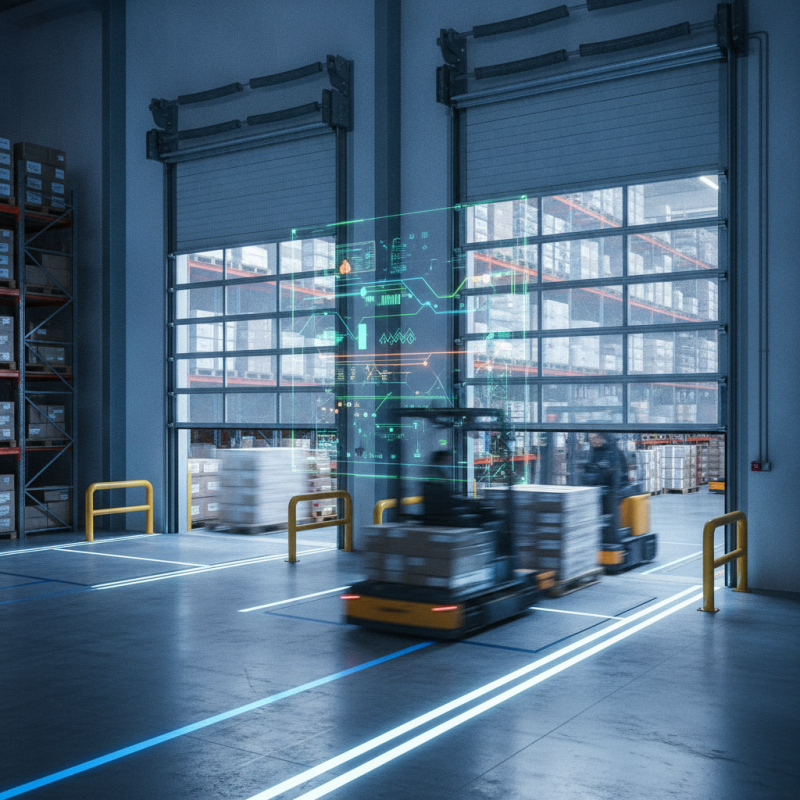
How to Integrate Warehouse Doors with Your WMS for Efficiency?

Understanding Warehouse Management Systems (WMS)

Warehouse Management Systems (WMS) play a vital role in optimizing warehouse operations. These systems help manage inventory, streamline workflows, and enhance overall efficiency. A WMS centralizes a variety of tasks, such as receiving, storing, and shipping goods. This centralization minimizes errors and saves time.

Integration of warehouse doors with a WMS can lead to significant operational benefits. For instance, automated door systems can be linked with inventory data. This allows doors to open automatically when the appropriate inventory is processed. Such integration reduces manual handling and expedites order fulfillment. However, this setup can be complex and require consistent updates.

While technology enhances efficiency, it is not without challenges. Not all systems are compatible. Errors in setup might lead to delays, causing frustration. Regular training and maintenance are crucial to ensure a seamless operation. Warehouse personnel may also need time to adapt. Balancing technology with human factors is essential for achieving optimal performance.

The Role of Warehouse Doors in Supply Chain Efficiency

Warehouse doors play a critical role in enhancing supply chain efficiency. Their operations significantly impact the speed of inbound and outbound logistics. According to a report from the Warehousing Education and Research Council (WERC), effective door management can reduce loading and unloading times by up to 30%. This efficiency translates into higher throughput and improved inventory turnover.

Integrating warehouse doors with a Warehouse Management System (WMS) can optimize operations further. For instance, automation allows for real-time tracking of door status. This integration can lead to an average reduction of 25% in operational delays. However, not all facilities utilize automated doors. Many still rely on manual systems, which can introduce errors and slow processes.

Moreover, the design of warehouse doors impacts safety and accessibility. Poorly designed or maintained doors can cause accidents and delays. According to the National Safety Council, improper door operations account for 12% of warehouse accidents. Integrating safety protocols with door management can mitigate these risks. While technology offers solutions, the human element remains crucial in achieving maximum efficiency. Regular training and system audits are essential to maintain optimal performance.

How to Integrate Warehouse Doors with Your WMS for Efficiency? - The Role of Warehouse Doors in Supply Chain Efficiency

Data Dimension Value
Average Loading Time 15 minutes
Weekly Deliveries Processed 200 deliveries
Integration Cost $5,000
Reduction in Wait Times 30%
Employee Satisfaction Rate 90%
Average Inventory Turnover 8 times/year

Key Technologies for Integrating Warehouse Doors with WMS

Integrating warehouse doors with a Warehouse Management System (WMS) can greatly enhance operational efficiency. Key technologies play a crucial role in this integration. One essential technology is the use of IoT sensors. These sensors can monitor door statuses in real-time, providing updates to the WMS. For example, when a delivery arrives, the system can automatically open the relevant door, reducing wait times.

Another important aspect is automation software. This software connects various systems, ensuring seamless communication between warehouse doors and the WMS. Through this connection, data flows freely. As a result, inventory management becomes more efficient. Yet, the implementation of automation can be complex. Sometimes, unexpected challenges can arise, such as equipment compatibility issues.

RFID technology is also vital for this integration. RFID tags can help track items as they move through doors. This enhances visibility and accuracy, leading to better decision-making. However, reliance on such technology can pose risks if not properly maintained. Outdated systems can lead to discrepancies in inventory counts. Adapting to new technologies demands careful planning. It calls for regular evaluation and updates to existing systems.

Step-by-Step Process for Effective Integration

Integrating warehouse doors with your Warehouse Management System (WMS) can significantly enhance operational efficiency. To achieve this, follow a detailed process. Start by assessing your current system and identifying the specific needs related to door operations. This clarity sets the foundation for effective integration.

Next, focus on the technical aspects. Ensure compatibility between your WMS and the control systems of the doors. This might involve software upgrades or even hardware adjustments. Connecting the two systems allows for real-time updates. For example, tracking door status helps optimize loading and unloading times.

Tips: Regularly test the integration to identify any issues. Delays in communication between your WMS and doors can cause bottlenecks. It is crucial to have a contingency plan for unforeseen hiccups. Additionally, train your staff on the integration process. Familiarity can prevent mistakes and enhance efficiency.

As you implement, collect feedback from users. They can provide insights into on-ground challenges. Using their input can help refine the system further. Over time, this feedback loop strengthens the integration, leading to better productivity. Always stay open to adjustments, as technology and operational needs evolve.

Warehouse Door Integration Efficiency

This chart illustrates the efficiency improvements observed after integrating warehouse doors with the Warehouse Management System (WMS) over a 12-month period. The data reflects changes in processing times in minutes for shipments.

Best Practices for Maintaining Integrated Warehouse Systems

Integrating warehouse doors with a Warehouse Management System (WMS) is crucial for seamless operations. A study by the Warehouse Education and Research Council highlights that efficient integration can reduce loading and unloading times by 30%. This means that every moment spent waiting is an opportunity lost. Workflow disruptions could lead to increased costs and customer dissatisfaction.

Regular maintenance is vital for integrated systems. A report from the National Institute of Standards and Technology indicates that 80% of warehouse system failures are due to inadequate upkeep. This statistic underscores the need for routine inspections and updates. Even minor issues can escalate if overlooked. Keeping a maintenance log helps track issues and solutions efficiently.

Training staff on these systems is equally important. A well-informed team can spot problems before they affect productivity. However, ongoing training often gets sidelined. Investing in training ensures that employees can adapt to evolving technologies and processes. Ignoring this aspect can lead to gaps in knowledge, further complicating operations.

FAQS

: Why are warehouse doors important in supply chains?

: Warehouse doors impact the speed of logistics. Effective door management can reduce loading and unloading times significantly.

How can integrating warehouse doors with a WMS enhance efficiency?

Automation allows real-time tracking of door status, reducing operational delays by approximately 25%. This improves overall workflow.

What are the risks of poorly maintained warehouse doors?

Poorly designed or maintained doors can lead to accidents. Up to 12% of warehouse accidents may be due to incorrect door operations.

How can I ensure proper integration of warehouse doors and WMS?

Assess your current system first. Ensure compatibility between the WMS and door control systems to allow seamless communication.

What should be included in regular maintenance for warehouse systems?

Routine inspections and updates are essential. Keeping a maintenance log helps identify and track issues effectively.

Why is staff training critical for integrated warehouse systems?

Trained staff can spot potential problems early. However, ongoing training is often neglected, leading to knowledge gaps.

What challenges might arise during the integration process?

Delays in communication between systems can cause bottlenecks. Contingency plans are vital for addressing unforeseen problems.

How can user feedback improve system integration?

Users can provide insights on operational challenges. Continuous feedback helps refine the integration for better efficiency.

What happens if I ignore maintenance for warehouse doors?

Ignoring maintenance can lead to system failures. Minor issues may escalate, adversely affecting overall productivity.

How can I keep my warehouse operations adaptable over time?

Stay open to adjustments and updates in technology. Regular training and feedback loops help maintain operational relevance.

Conclusion

Integrating warehouse doors with your Warehouse Management System (WMS) is essential for enhancing supply chain efficiency. Understanding the core functionalities of a WMS is the first step, as it helps streamline operations, inventory management, and order fulfillment. Warehouse doors play a pivotal role in ensuring smooth logistics operations, serving as critical access points that can significantly influence workflow productivity.

To effectively integrate warehouse doors with a WMS, several key technologies, such as sensors and automated systems, can be employed. Following a step-by-step process for integration can help identify specific operational needs, optimize workflows, and enhance overall performance. Additionally, adopting best practices for maintaining these integrated systems ensures they remain efficient and effective over time. Thus, the question "How to integrate warehouse doors with a WMS?" can be answered through careful planning and strategic implementation, leading to improved operational outcomes in modern warehouses.

Charlotte

Charlotte

Charlotte is a seasoned marketing professional with a deep understanding of the company's portfolio and a passion for elevating its presence in the market. With a keen eye for detail and a commitment to excellence, she ensures that our professional blog is regularly updated with insightful articles......