Loading docks are crucial yet hazardous areas in many industries. Accidents can lead to serious injuries, costly damages, and even fatalities. According to industry expert John Smith, a safety consultant with over 20 years of experience, "Preventing accidents at the loading dock starts with awareness and proactive strategies." His insight emphasizes how critical it is to focus on safety measures.
When considering “How to prevent accidents at the loading dock?” several key factors come into play. Proper training for all personnel is essential. Workers must understand equipment usage and recognize hazards. Clear communication among team members can also reduce risks significantly. Employers should regularly assess the loading dock environment. This includes checking for spills, ensuring proper lighting, and maintaining equipment.
Despite these measures, accidents still happen. This imperfect reality demands constant vigilance and improvement. It’s vital to encourage a culture of safety where employees feel empowered to report unsafe conditions. By continuously refining safety protocols, companies can enhance their operational effectiveness and safeguard their workforce. Understanding the importance of these actions is the first step toward a safer loading dock environment.
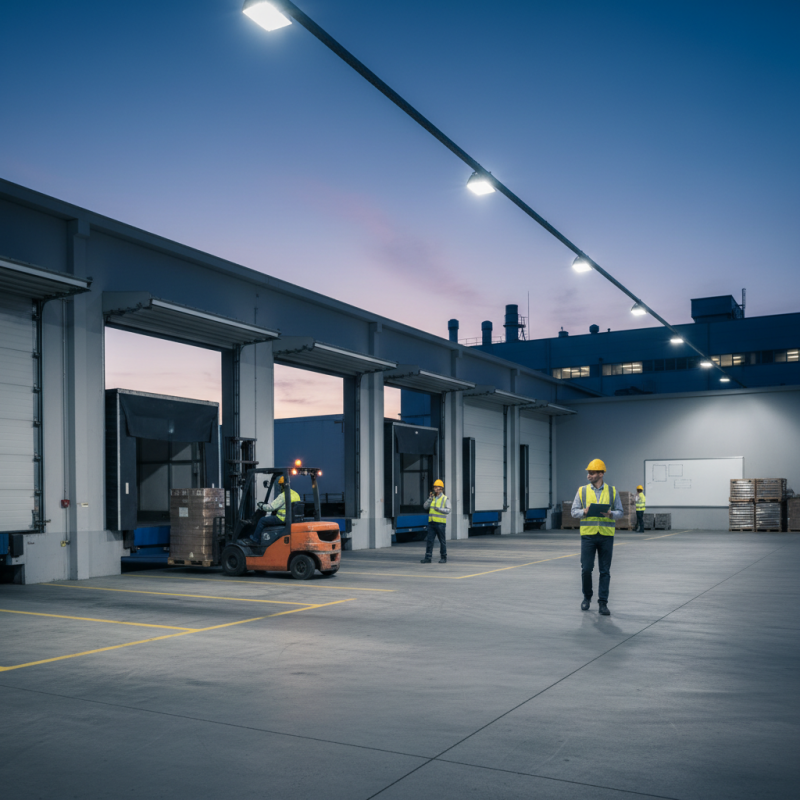
Loading dock accidents can occur due to various factors. Understanding these causes is crucial to developing effective safety measures. According to industry reports, around 25% of warehouse accidents happen at loading docks. The primary causes include improper training, lack of communication, and insufficient safety equipment. Moreover, vehicle collisions are a frequent issue, highlighting the need for vigilant practices.
One common cause of accidents is inadequate training for staff. Workers need proper instruction on handling materials and equipment. Research indicates that training programs can reduce accidents by as much as 70%. Implementing regular training sessions can create a safer working environment.
Another contributing factor is poor communication among team members. When workers are not aware of each other’s actions, risks increase. Establishing clear signals or communication protocols can help mitigate this issue.
Tips for Safety:
Loading dock operations involve numerous hazards. Implementing safety protocols is essential for preventing accidents. A proactive approach keeps workers safe and ensures smooth operations.
Set clear guidelines for training employees. Regular training sessions help everyone understand best practices. Use simulations to demonstrate safe loading and unloading techniques. This hands-on approach builds real-world skills. Encourage team discussions about safety challenges.
Tips for enhancing safety include using high-visibility vests. This small measure greatly improves worker visibility. Ensure dock areas are clear of obstructions. Regular inspections can reveal potential hazards. Consider installing safety barriers around loading areas. These barriers can prevent accidents caused by moving vehicles.
Monitor equipment regularly to ensure proper function. Faulty equipment can lead to serious accidents. Implement a checklist system for daily inspections. Even with protocols, accidents can still happen. Maintain a culture where workers feel comfortable reporting issues. Communication is vital. Collective awareness strengthens safety practices.
Training employees on loading dock safety procedures is crucial for preventing accidents. Employees need to understand the potential hazards they might face. Regular training sessions can reinforce the importance of safety and awareness. Visual aids, like diagrams or safety videos, can enhance learning.
Hands-on training is essential. Employees should practice loading and unloading in a controlled environment. They need to recognize the safe distance from moving vehicles. This training should also cover emergency protocols. Participants should feel confident about what to do in case of an accident.
Feedback from employees is valuable. It can reveal gaps in training and areas needing improvement. Observational learning, where experienced workers mentor newer ones, can foster a culture of safety. Regularly updating training materials ensures the information remains relevant. Engaging employees in discussions about safety can also promote a sense of responsibility.
| Training Topic | Description | Duration (hours) | Frequency (Annual) | Compliance (%) |
|---|---|---|---|---|
| Loading Dock Safety Overview | Introduction to safety regulations and practices at loading docks. | 2 | 1 | 95% |
| Forklift Operation Safety | Training on safe operation of forklifts and other loading equipment. | 4 | 1 | 90% |
| Personal Protective Equipment (PPE) | Proper use and care of personal protective gear when working at loading docks. | 1.5 | 2 | 98% |
| Load Securement Procedures | Techniques for properly securing loads to prevent shifting during transportation. | 2 | 1 | 92% |
| Emergency Procedures | Actions to take in case of accidents or emergencies in the loading area. | 1 | 1 | 97% |
Loading dock safety is crucial for preventing accidents. Utilizing various safety equipment and technology can greatly enhance the security of these areas. Installing dock levelers enables smoother transitions for vehicles and minimizes the risk of falls. Adding bumpers to protect walls and fixtures reduces damage and improves overall safety.
Technology plays a significant role in enhancing dock safety. For instance, using visibility products like LED lights can help drivers see clearly during loading operations. Cameras placed strategically provide oversight, preventing accidents before they happen. However, relying solely on technology isn’t enough. Regular training and drills for employees ensure that everyone understands safe procedures in the dock area.
Additionally, implementing communication systems can mitigate risks. Real-time alerts can inform workers of potential hazards. Equipment should be regularly inspected and maintained, yet sometimes this is overlooked. A safety audit can reveal gaps in practices. Recognizing human error is key; even the best technology can’t replace attentive, diligent workers.
Regular inspections and maintenance of dock facilities play a crucial role in preventing loading dock accidents. These practices help identify potential hazards and ensure the safety of employees and equipment. Scheduling frequent inspections allows teams to detect issues early, such as worn-out dock plates or malfunctioning lights. Each identified problem can then be addressed promptly.
Maintenance is not just about fixing problems but also about enhancing safety features. For instance, installing better warning signs and ensuring adequate lighting can significantly reduce risks. Regular training sessions for staff on safe practices at the dock are essential. However, relying solely on training isn't sufficient. Continuous monitoring and inspections are equally vital for fostering a culture of safety.
There’s always room for improvement in dock safety. Even the best practices can be overlooked. Workers may miss crucial observations if they're not vigilant. Encouraging every team member to report concerns can help create a safer environment. Frequent review meetings can ensure that everyone is aligned on safety priorities. Emphasizing this helps maintain focus and accountability on the dock.
: Safety protocols prevent accidents and keep workers safe in busy loading dock environments.
Regular training sessions and simulations help employees understand safe loading and unloading techniques.
High-visibility vests enhance worker visibility, reducing the chance of accidents.
Keeping dock areas clear of obstructions minimizes potential hazards and improves efficiency.
Safety barriers around loading areas can prevent accidents caused by moving vehicles.
Equipment should be inspected regularly to ensure proper function and prevent accidents.
Accidents can still happen, highlighting the need for continuous safety awareness and communication.
Technology like LED lights and cameras improves visibility and oversight, helping prevent accidents.
Even the best technology cannot replace the need for attentive and diligent workers on-site.
A safety audit helps identify gaps in safety practices and ensures compliance with protocols.
To address the question of "How to prevent accidents at the loading dock?", it is essential to understand the common causes of such incidents, including poorly trained personnel and inadequate safety measures. Implementing robust safety protocols tailored to loading dock operations is crucial. This includes setting clear procedures, conducting regular safety meetings, and ensuring compliance with industry standards.
Training employees on loading dock safety procedures is another vital aspect. A well-informed workforce will recognize hazards and respond appropriately. Additionally, utilizing safety equipment and technology—such as safety guards and sensors—can significantly enhance dock safety. Finally, conducting regular inspections and maintenance of dock facilities helps identify potential safety issues before they lead to accidents, ensuring a safer working environment for all. By adopting these measures, businesses can effectively reduce risks associated with loading dock operations.

Labor Door