Automatic sliding doors provide convenience and efficiency to various establishments. However, many users often encounter a frustrating issue: Why are automatic sliding doors not opening fully? Several factors contribute to this problem, impacting both user experience and safety.
Wear and tear is a common reason for incomplete opening. Over time, sensors and mechanisms can become misaligned. This can lead to partial door movement, causing inconvenience to users. Additionally, dirt and debris can obstruct the sensors. Regular maintenance is crucial to prevent these issues.
Another contributing factor is the environmental influence. Extreme temperatures can affect the door's performance. Also, power issues or electrical malfunctions may impede the opening mechanism. Understanding these reasons helps in addressing and resolving the problems effectively. Users must remain vigilant about maintaining their automatic doors.
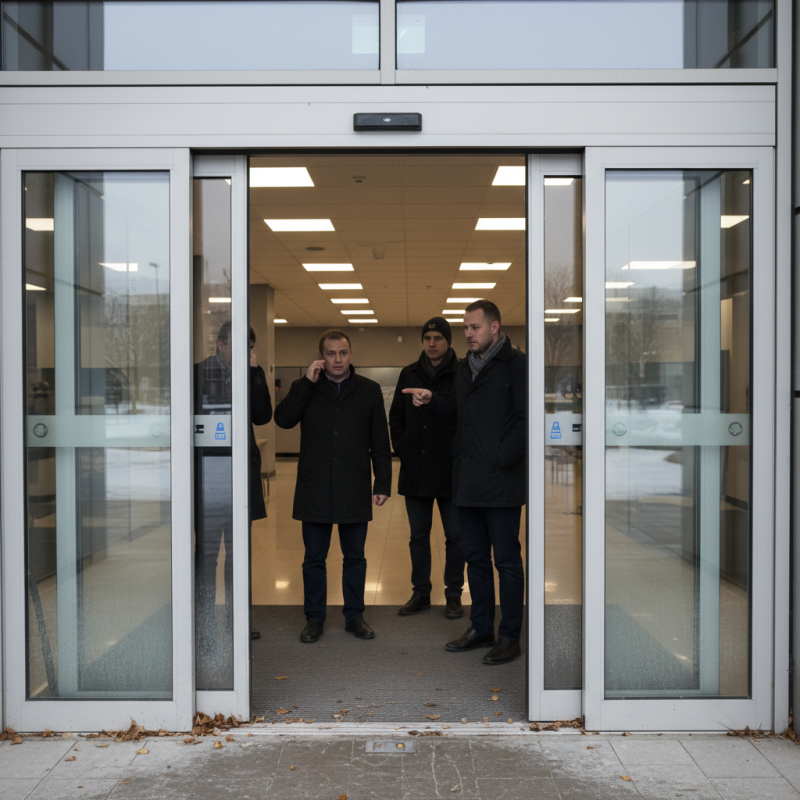
Automatic sliding doors are essential for convenience in commercial spaces. However, they sometimes fail to open fully. Understanding the common causes of these malfunctions is crucial for maintenance and safety.
One significant issue could be foreign objects obstructing the doors. Items such as leaves or debris can disrupt the sensors. This leads to incomplete openings. According to industry reports, over 30% of service calls for automatic doors involve sensor-related problems. A 2022 survey indicated that regular cleaning and maintenance could reduce malfunction occurrences by nearly 20%.
Another factor is misaligned tracks. Over time, wear and tear can cause the sliding mechanism to shift. This misalignment prevents the doors from reaching their full range of motion. A study from the Automatic Door Manufacturers Association notes that proper alignment and lubrication should occur bi-annually. Regular inspections are essential to prevent unexpected failures. Ignoring this may lead to frequent disruptions in door operations, causing frustration for users.
Automatic sliding doors rely on sensors for smooth operation. When those sensors face obstructions, issues arise. Objects or dirt in the sensor's path can affect its ability to detect motion. This creates problems, like doors failing to open fully. Even small items, like leaves or debris, can interfere with functionality.
Moreover, sensor placement plays a crucial role. If a sensor is misaligned, it may not respond correctly. As a result, users may experience frustration. They might assume the door is malfunctioning, but it could be a simple obstruction. Regular cleaning and maintenance of the sensor area are essential.
In some cases, environmental factors contribute to these issues. Changes in lighting or shadows can confuse sensors. This highlights the importance of proper installation and regular checks. Reflecting on these aspects can prevent future problems and improve user experience. Sensor obstructions should not be overlooked if we want reliable access.
Automatic sliding doors are convenient but can malfunction. Mechanical issues, particularly with tracks, rollers, and drive systems, are common culprits. According to industry data, about 30% of automatic door failures can be traced back to track misalignments. When debris accumulates on tracks, it can inhibit smooth operation. Regular maintenance is critical to prevent these issues from escalating.
Another frequent issue involves the rollers. If rollers wear down or become dirty, they cannot provide proper support. A study showed that poorly maintained rollers could reduce door efficiency by 40%. This not only affects functionality but also safety. An intermittent door could pose risks to users.
Finally, the drive systems can face mechanical failures too. Components such as motors may degrade over time. A reported 25% of failures are due to drive system errors. Regular professional inspections are essential for ensuring that these systems operate effectively. Neglecting these small yet vital aspects can lead to larger issues, costly repairs, and decreased user satisfaction.
Automatic sliding doors are essential for many commercial spaces, ensuring smooth entry and exit. However, when they fail to open fully, electrical issues often play a significant role. Power supply interruptions can affect the functionality of the sensors and motors responsible for door mechanics. According to the International Door Association, nearly 20% of sliding door malfunctions are linked to electrical failures.
Wiring considerations are crucial as well. Frayed wires or loose connections can disrupt the flow of electricity. A report from the American Society of Mechanical Engineers highlights that improper installations can lead to serious operational issues. Regular maintenance checks on the electrical systems can prevent these problems.
**Tips:** Inspect the wiring regularly for any signs of wear. Ensure the power supply remains stable and uninterrupted. Small adjustments can have a significant impact on door performance. Being proactive can save businesses time and money in the long run. It's wise to invest in training for staff who handle maintenance, as their expertise can prevent recurring issues.
| Issue | Description | Potential Solutions |
|---|---|---|
| Insufficient Power Supply | The doors may not receive enough voltage to operate fully. | Check the power source and ensure it meets the specifications. |
| Faulty Wiring | Damaged or loose wires can interrupt the power supply to the doors. | Inspect wiring connections and repair any damages. |
| Sensor Malfunction | Sensors may be blocked or malfunctioning, preventing full opening. | Clean sensors and replace if necessary. |
| Control System Failure | The electronic control system may be defective. | Reset or replace the control system as needed. |
| Mechanical Obstruction | Physical barriers may prevent doors from opening completely. | Remove any obstructions and check track alignment. |
Automatic sliding doors are convenient, but they can encounter issues that affect their performance. Regular maintenance is crucial for ensuring these doors open fully and function effectively. One common cause for inadequate opening is the presence of dirt and debris in the tracks. Regularly cleaning the track can prevent this problem. Use a soft brush and a damp cloth to remove dirt, ensuring smooth operation.
Another important aspect is the alignment of the sensors. Misaligned sensors can prevent the doors from opening. Check the sensors regularly to ensure they are properly aligned. If they show signs of damage, they should be replaced. It may seem simple, but neglecting these checks can lead to bigger issues. Ensuring the sensors and tracks are functioning correctly can extend the life of your sliding doors significantly.
Lubrication is also essential. Applying lubricant to the moving parts keeps them operating smoothly. However, do not overdo it. Excess lubricant can attract dust and grime. Remember, consistent attention to detail can make a difference. Regular maintenance not only enhances safety but also improves the overall experience for users.
: The main issues involve tracks, rollers, and drive systems that can malfunction over time.
Regular cleaning is important. Keeping tracks free of dirt and debris promotes smooth operation.
Poorly maintained rollers can decrease door efficiency by 40%, affecting both functionality and safety.
Misaligned sensors can prevent doors from opening, leading to potential frustrations for users.
Apply a little lubricant to moving parts, but avoid excessive amounts that could attract dirt.
Inspections help identify issues with drive systems before they escalate into significant problems or costly repairs.
About 30% of failures are linked to track misalignments, highlighting the importance of alignment checks.
Accumulated debris can inhibit smooth operation, causing the doors to malfunction and potentially inconvenience users.
Sensor alignment is crucial. Regular checks ensure the sensors function correctly and prevent operational issues.
Yes, neglecting small maintenance tasks can escalate into larger problems and decrease user satisfaction.
Automatic sliding doors are a convenient feature in many buildings, but one common issue that arises is: "Why are automatic sliding doors not opening fully?" Several factors can contribute to this malfunction. One prevalent cause is sensor obstruction, where debris or objects block the sensors, preventing the doors from detecting users properly. Additionally, mechanical issues such as worn tracks, rollers, and drive systems can hinder smooth door operation.
Electrical problems, including insufficient power supply or faulty wiring, can also affect the performance of automatic sliding doors. To ensure optimal functionality, regular maintenance is crucial. This includes cleaning the sensors, lubricating mechanical components, and inspecting electrical connections to minimize the chances of malfunction and ensure that the doors open fully when needed.

Labor Door