Condensation is a common issue in cold rooms, particularly on doors. Understanding why this happens is essential for maintaining optimal conditions. Expert David Hawkins, a veteran in refrigeration science, states, “Condensation typically indicates a temperature imbalance.” His insight underscores the importance of maintaining proper temperature levels to prevent moisture accumulation.
When warm, humid air enters a cold room, cooling occurs rapidly on the door's surface. This process creates droplets of water. Humidity levels inside the room can also contribute to this phenomenon. If the air is too moist, it exacerbates the issue, leading to potential damage. Factors like insulation and air sealing play vital roles as well.
Many businesses neglect these aspects until problems arise. This oversight can lead to costly repairs and inefficiencies. Observing condensation can prompt a necessary evaluation of ventilation and temperature controls. Addressing the question, "Why is condensation forming on my cold room door?" requires attention to detail and a proactive approach to maintenance.
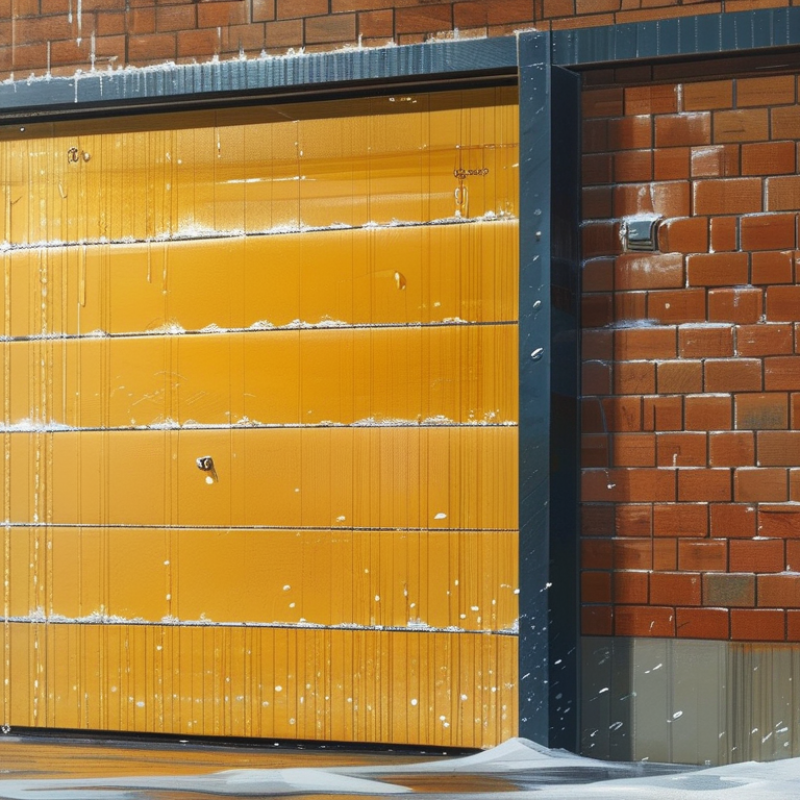
Understanding the Basics of Condensation in Cold Rooms
Condensation in cold rooms often puzzles many. Understanding the basics can help solve the issue. Condensation occurs when warm, moist air meets a cold surface. In a cold room, the temperature difference can lead to moisture collecting on the door. This not only affects visibility but can also lead to mold growth.
To prevent excessive condensation, one effective tip is to maintain a consistent temperature inside the room. Avoid frequently changing the settings, as this can exacerbate the issue. Another approach is to check the seals of the door. If they are damaged or worn out, cold air escapes, and warm air enters, increasing humidity levels.
If condensation persists, consider using a dehumidifier. This device removes excess moisture from the air. Keeping the room dry is essential for preservation. Regular maintenance of the cold room ensures a proper environment. It may take time to see improvements, but dedication to small changes can yield significant results.
Factors Contributing to Condensation on Cold Room Doors
Condensation on cold room doors can be a common issue in various environments. When warm, humid air meets the cold surface of the door, condensation occurs. This process can be influenced by factors such as room ventilation, humidity levels, and temperature variations.
Poor ventilation is a primary contributor. If the cold room is not adequately ventilated, humidity levels can rise. This stagnant air creates the perfect condition for moisture buildup on surfaces. When the humidity from the air contacts the cold door’s surface, it turns into water droplets.
Tips: Regularly assess the air circulation in your cold room. Use fans to improve airflow. Small changes can make a significant difference. Checking seals and insulation can help too, as worn-out seals allow more warm air to intrude.
Another factor is the temperature differential. A significant gap between interior and exterior temperatures can exacerbate condensation issues. During colder months, even slight warm air influx can cause noticeable condensation.
Tips: Monitor the temperature regularly. Keep the cold room's temperature consistent. A small heater can help stabilize the climate if fluctuations are significant.
Understanding these factors is key to addressing the condensation problem effectively. Evaluate your space and make necessary adjustments. Experiment with different methods to find solutions tailored to your needs.
The Role of Temperature and Humidity in Condensation Formation
Condensation occurs when warm, moist air meets cold surfaces, leading to water droplets forming on the cold room door. This process is primarily influenced by temperature and humidity levels in the surrounding environment. When warm air enters a colder space, it cools down rapidly. If it cools to its dew point, condensation forms.
This is why your cold room door, often exposed to cold air, can behave like a magnet for moisture in warmer conditions.
In addition, humidity plays a critical role. High humidity levels in the room increase the amount of moisture in the air. This moisture condenses more readily when it meets the cold door surface. Monitoring humidity can help address condensation issues. A hygrometer can provide valuable readings, revealing when air is too humid. If you notice persistent condensation, consider airflow improvements to balance the temperature.
The balance between temperature and humidity is tricky. It's not always straightforward to achieve optimal conditions. You may need to experiment with different strategies. Simple solutions, like adjusting the thermostat or using a dehumidifier, can often help. However, each room is unique, and results may vary. Therefore, employing a hands-on approach to observe changes is crucial for effective condensation management.
Common Solutions to Reduce Condensation on Doors
Condensation on cold room doors can be a nuisance. The moisture forms when warm air meets cold surfaces. This can lead to mold growth and damage. To tackle this issue, there are several effective solutions you can implement.
One common approach is to improve insulation around the door. Adding weatherstripping can create a tighter seal, reducing the temperature difference. Properly sealing gaps will help to minimize the warm air from entering. Also, consider using a door sweep. This can block cold drafts, which can contribute to condensation.
Another solution is adjusting the temperature inside your cold room. Keeping the temperature consistent can reduce the chances of condensation forming. If feasible, using a dehumidifier can help control moisture levels. Even small changes can significantly impact the amount of condensation. Reflecting on these strategies, it’s crucial to monitor your room's conditions regularly. Making adjustments may take time and patience, but it’s worth the effort for a drier environment.
10 Best Reasons Why is Condensation Forming on My Cold Room Door? - Common Solutions to Reduce Condensation on Doors
| Reason |
Description |
Solution |
| High Humidity Levels |
Excess moisture in the air causes water droplets to form on cold surfaces. |
Use a dehumidifier to reduce humidity. |
| Temperature Difference |
Cold temperatures inside the room collide with warmer outside air. |
Adjust the thermostat to maintain a more consistent temperature. |
| Poor Insulation |
Inadequate insulation causes cold surfaces that attract moisture. |
Upgrade insulation materials or seal gaps and cracks. |
| Frequent Door Openings |
Opening the door often lets warm air in, causing condensation. |
Limit the frequency of door openings. |
| Ventilation Issues |
Poor air circulation can lead to moisture accumulation. |
Ensure proper ventilation within the room. |
| Water Leakage |
Leaks from plumbing or equipment can increase moisture levels. |
Inspect and repair any leaks promptly. |
| Improper Door Seals |
Worn or damaged seals can allow outside moisture to enter. |
Replace or repair door seals regularly. |
| Surface Materials |
Certain materials may retain moisture and promote condensation. |
Choose moisture-resistant materials for door surfaces. |
| Proximity to Water Sources |
Being near water sources can increase humidity levels. |
Implement barriers to reduce moisture from nearby sources. |
| Inadequate Heating |
Insufficient heating may lead to cold spots where condensation forms. |
Ensure adequate heating is maintained in the room. |
Preventative Measures to Avoid Future Condensation Issues
Condensation on cold room doors is a common issue, especially in high-humidity environments. To prevent future condensation, it is essential to understand the factors causing it. Poor insulation and temperature differences between the interior and exterior surfaces often lead to this problem. A recent study by the American Society of Heating, Refrigerating and Air-Conditioning Engineers (ASHRAE) indicated that proper insulation can reduce condensation by nearly 50%.
Improving airflow also plays a crucial role. Ensuring sufficient ventilation in the cold room decreases humidity levels. The National Oceanic and Atmospheric Administration (NOAA) reports that maintaining indoor humidity below 60% helps minimize condensation risks. Adding a dehumidifier can help control moisture levels effectively. Regular maintenance checks are vital too. Seal any leaks and inspect door gaskets, as a small gap can increase moisture buildup.
Setting the right temperature is another preventative measure. According to the Energy Information Administration (EIA), maintaining a consistent temperature helps stabilize conditions inside the cold room. Yet, many facilities overlook temperature fluctuations that contribute to condensation. Monitoring tools like hygrometers can help track both humidity and temperature, ensuring optimal conditions. With these strategies, the risk of future condensation can be significantly reduced, saving time and maintenance costs.
Reasons for Condensation on Cold Room Doors
This bar chart represents the frequency of different issues causing condensation on cold room doors. High humidity levels and temperature differences are the leading causes, followed by poor insulation and frequent door openings. Addressing these issues can help reduce condensation problems.
FAQS
: Condensation occurs when warm, moist air meets a cold surface. This leads to moisture buildup on the door.
Maintain a consistent temperature inside the room. Avoid frequent changes, as they can worsen condensation.
Poor ventilation increases humidity levels. Stagnant air creates ideal conditions for moisture to collect on surfaces.
Damaged seals allow warm air to enter. Proper insulation helps maintain a stable temperature, reducing condensation risks.
Regularly check airflow. Using fans can improve circulation and help reduce moisture buildup significantly.
Yes, a dehumidifier removes excess moisture from the air. It helps keep the cold room dry and preserves the environment.
A large temperature gap between inside and outside increases condensation risk. Even slight warm air influx can cause water droplets.
Regular maintenance is crucial. Consistently evaluating conditions leads to effective changes and reduces condensation issues.
Yes, small changes can significantly impact condensation levels. Consistency and monitoring are key to achieving desired results.
Solutions may take time and patience to show results. Reflecting on effectiveness and adjusting strategies is important.
Conclusion
Condensation on cold room doors is a common issue that raises the question, "Why is condensation forming on my cold room door?" To understand this phenomenon, it is essential to grasp the basics of condensation, which occurs when warm, moist air comes into contact with a cold surface, leading to water droplets forming. Several factors contribute to this issue, including poor insulation, fluctuations in indoor temperature, and high humidity levels.
To mitigate condensation, it is crucial to address these underlying factors. Implementing solutions such as improving insulation, maintaining consistent temperature levels, and using dehumidifiers can significantly reduce condensation. Additionally, taking preventative measures, like regular maintenance and monitoring humidity levels, can help avoid future issues. By understanding the causes and applying effective solutions, you can effectively tackle the problem of condensation in cold rooms.

 Labor Door