Resetting an automatic door sensor may appear unnecessary until it fails to operate. Statistically, over 70% of automatic door malfunctions are linked to sensor issues, according to recent industry reports. Understanding how to reset an automatic door sensor can save time and maintenance costs significantly.
In a world where convenience is paramount, the reliability of automatic doors is crucial. However, business owners often overlook sensor upkeep. A recent survey indicated that 45% of respondents faced issues due to improper sensor settings. Knowing how to reset an automatic door sensor is essential for ensuring security and smooth operation.
Properly functioning sensors enhance customer experience and safety. Yet, many systems can become misaligned or need recalibration. Regular maintenance can prevent costly repairs. Learning how to reset an automatic door sensor effectively might require patience and practice, but it ultimately contributes to longer-lasting systems.
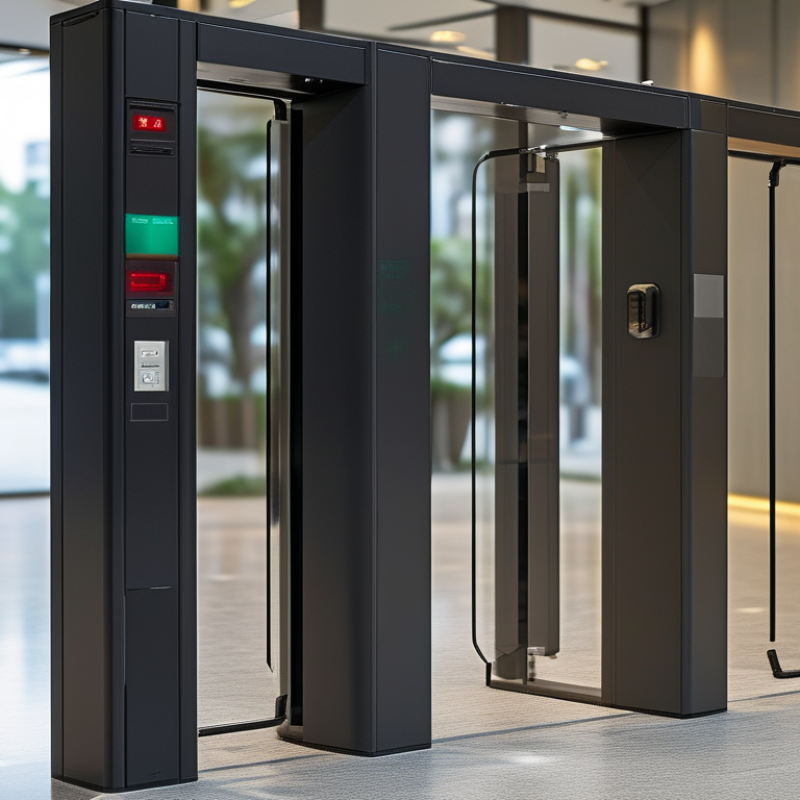
Understanding Automatic Door Sensors and Their Functionality
Automatic door sensors are crucial for seamless entry and exit in various spaces. These sensors work by detecting movement and triggering the door to open, providing convenience and enhancing accessibility. Understanding their functionality is essential for effective maintenance. Typically, automatic door sensors can be categorized as infrared, motion, or pressure sensors. Each type has unique operational methods but shares similar goals—smooth and efficient door operations.
Regular maintenance of these sensors is vital. Dust or debris can obstruct their operation. This is a common issue that many overlook. Ensure the sensor area is clean and free from obstructions. Inspect the wiring regularly for any signs of wear or damage. Maintaining these components can prevent unexpected failures and enhance longevity.
Tips: Consider placing a reminder on your calendar for routine checks. Test the door sensors periodically to ensure they are responsive. If the sensor isn’t functioning correctly, a reset might be necessary. Sometimes, pulling the power source briefly can help recalibrate the system. Reflect on these practices and adapt your routine as needed, since neglect can lead to inconvenient malfunctions.
Common Issues That Require Resetting Automatic Door Sensors
Automatic door sensors are essential for smooth operations in various environments. However, some common issues necessitate a reset to ensure functionality. According to data from the Automatic Door Manufacturers Association (ADMA), nearly 30% of sensor-related malfunctions stem from misalignment. This can be caused by physical obstructions or wear over time, leading to inconsistent performance.
Another prevalent issue is false triggering. Environmental factors, such as heavy rain or snow, can interfere with sensor detection. A study by the International Door Association found that 20% of service calls relate to weather-related sensor failures. Regular maintenance and occasional resets can improve reliability. Ensure sensors are clean and free from debris to avoid these problems.
While many users perform resets incorrectly, understanding the sensor's feedback system is vital. Sensors often have LED indicators showing operational status. Familiarizing yourself with these signals can prevent frustration during unexpected shutdowns. Some users may overlook small details, like loose connections, leading to repeated failures. Being aware of these aspects fosters a more reliable automated entry system.
Step-by-Step Guide to Reset Your Automatic Door Sensor
Resetting your automatic door sensor can seem daunting, but it's quite manageable. Many people encounter issues such as the door not opening or closing properly. A simple reset can often resolve these problems. Start by safely turning off the power to the sensor. This precaution helps avoid any accidental activations.
Next, locate the reset button on the sensor. It’s usually hidden beneath a cover. Sometimes, finding it can be tricky, leading to frustration. Use a small tool to press and hold the button for a few seconds. You may notice a light flicker or hear a click. This indicates that the sensor is resetting. After releasing the button, wait a minute before restoring power.
Once the power is back on, test the door sensor to ensure it operates smoothly. You might encounter unexpected behavior; in such cases, repeat the reset or consult the manual. Make sure to observe the door’s response as well. Not every reset is perfect. Adjustments might be necessary for optimal performance.
Safety Precautions to Consider When Resetting Door Sensors
Resetting your automatic door sensor can be a simple task, but safety should always come first. Before starting, ensure that you are wearing appropriate personal protective equipment. This could include safety goggles and gloves. These items help protect you from any potential accidents while working with electrical components.
Be aware of your surroundings as well. Clear the area of any obstructions. This ensures you do not trip or fall while handling tools or equipment. If the sensor is connected to power, be sure to disconnect it before making any adjustments. Even if you think the power is off, it is a good practice to double-check. Some sensors can be sensitive, and unexpected movements might trigger them.
After resetting, test the sensor several times. Observe the response carefully. If it does not work as expected, reevaluate your process. There might be a hidden issue not addressed initially. Reflect on each step taken. Were proper safety measures followed? Did distractions occur? These reflections can guide better practices in the future, ensuring both your safety and the proper functionality of the door sensor.
Troubleshooting After Resetting Your Automatic Door Sensor
Troubleshooting your automatic door sensor can be challenging, especially after a reset. Start by checking the power supply. If the sensor isn’t receiving power, it won't function correctly. Ensure the circuit is intact and that the breaker is not tripped. It's a simple step, but often overlooked.
Next, inspect the sensor’s alignment. Sometimes, misalignment can cause a malfunction. Adjust the sensor to its optimal position. Look for any obstructions in the sensor's path. Items blocking the sensor can prevent it from detecting motion properly. Even a small object can cause big issues.
Don’t forget to check the sensitivity settings. These settings determine how responsive your sensor is. If it's set too low, the door may fail to open. Conversely, if it's too high, it can trigger unnecessary openings. Adjust as needed and test several times. A perfect setting may vary based on your environment. Keep in mind that environmental factors can impact the sensor’s performance too. Reflect on these aspects to ensure effective troubleshooting.
Automatic Door Sensor Resetting Data
FAQS
: First, try resetting the sensor by turning off the power and pressing the reset button.
Wear safety goggles and gloves. Clear the area of obstructions before starting the process.
The button is often hidden beneath a cover. Use a small tool if needed to locate it.
You may notice a light flicker or hear a click when the reset process occurs.
Check the power supply, alignment, and ensure there are no obstructions affecting the sensor.
Temperature, light, and objects nearby can influence how well the sensor detects motion.
Check and adjust the sensitivity settings. They can significantly impact the sensor's responsiveness.
Test it several times to ensure it operates smoothly and consistently responds as expected.
Consider whether proper safety measures were followed and identify any distractions during the process.
No, sometimes adjustments may be necessary after a reset. Each scenario can be unique.
Conclusion
In the article titled "How to Reset Your Automatic Door Sensor Easily?", the focus is on providing a comprehensive understanding of automatic door sensors and their functionalities. It addresses common issues that may necessitate a reset, guiding readers through a detailed step-by-step process on how to reset an automatic door sensor effectively. The article emphasizes the importance of safety precautions during the resetting process and offers troubleshooting tips for after the reset, ensuring that users can maintain the proper functioning of their door sensors.
For anyone wondering how to reset an automatic door sensor, this guide is essential. By following the outlined steps and safety measures, users can quickly resolve sensor-related issues, thereby enhancing the reliability and efficiency of their automatic door systems.

 Labor Door