Efficient forklift traffic flow is essential for any warehouse operation. Industry expert John Smith, a logistics consultant with over 15 years of experience, emphasizes the importance of this efficiency. He states, "Optimizing traffic flow can significantly reduce waiting times and improve safety." The question remains, how to speed up forklift traffic flow in a warehouse?
In a bustling warehouse, the movement of forklifts can often become chaotic. Forklifts darting from one section to another can lead to accidents and delays. Implementing clear pathways and signage can help. A well-organized layout directly contributes to smoother traffic flow.
Monitoring forklift traffic is crucial. Using data analytics can identify congestion points. Regular training on best practices can reduce mishaps. It's vital to test and adjust current systems, as what works today may not suit future demands. Addressing these issues can lead to substantial improvements in efficiency and safety in the long run.
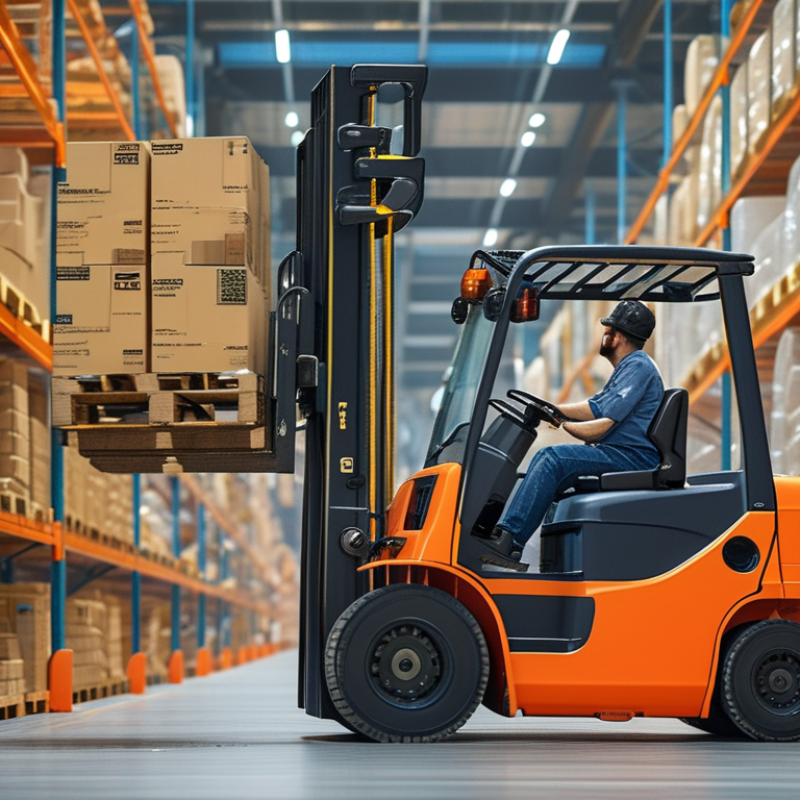
Analyzing forklift traffic patterns is essential for improving warehouse efficiency. Start by mapping the movement of forklifts through your facility. Identify common routes and observe where they converge. Bottlenecks often occur at intersections or near loading docks. By focusing on these areas, you can implement changes to ease congestion.
Consider the layout of your warehouse. Is there enough space for forklifts to maneuver? Tight corners or narrow aisles can slow traffic. Sometimes, it’s beneficial to reorganize storage areas for better access. Observe driver behavior too. Are operators following optimal paths? Analyzing their movements can reveal wasteful practices.
In this process, be prepared to reassess your initial findings. Traffic can change due to seasonality or new inventory. Regularly revisiting these patterns is crucial. Engaging with forklift operators can also provide insights. They may have suggestions that you overlooked. Remember, addressing bottlenecks is an ongoing effort that demands attention and adaptation.
This chart illustrates the average forklift traffic flow in different warehouse zones over a week. The data shows the number of trips made per zone, helping to identify potential bottlenecks.
Designating specific aisles and paths for forklift navigation is essential in optimizing traffic flow within warehouses. According to industry reports, inefficient traffic management can reduce productivity by up to 30%. Clear routes not only increase safety but also enhance operational efficiency. By removing ambiguity in navigation, workers can minimize delays and accidents.
It is crucial to thoughtfully plan these designated pathways. Wide enough aisles facilitate easy movement for larger forklifts while allowing workers to walk safely. Underlying issues often arise when aisles are poorly marked or cluttered. In some facilities, up to 15% of space can be wasted due to inadequate design. Regular audits of traffic patterns can reveal these inefficiencies, allowing for amendments to layout.
Moreover, incorporating technology, like LED indicators, can guide forklift operators in real-time. Reports highlight a 25% improvement in on-time deliveries with enhanced visibility. Increasing awareness of designated paths ensures everyone, from drivers to warehouse staff, can work seamlessly. Feedback from employees can also expose lingering traffic bottlenecks, prompting ongoing adjustments and improvements.
Investing in high-quality forklift technology can significantly enhance the efficiency of your warehouse operations. Modern forklifts come with advanced features that improve safety and productivity. For instance, electric forklifts offer a quieter operation, allowing for better communication among staff. They also reduce emissions, contributing to a healthier work environment. High-quality models often come with better maneuverability, allowing operators to navigate tight spaces with ease.
Regular maintenance is crucial for any forklift, but high-quality technology often requires less frequent repairs. This reliability can lead to fewer disruptions in traffic flow. Consider utilizing forklifts with automatic lifting systems. These systems can optimize loading and unloading times, reducing bottlenecks in busy areas. Training operators to use advanced features increases overall efficiency.
However, investing in advanced technology alone is not enough. Regular training and adaptability are essential. Staff may struggle to adapt to new systems. It’s vital to create a culture of learning, where continuous improvement is prioritized. Analyze traffic patterns in your warehouse frequently. Tech may not solve all issues; human factors play a significant role in workflow efficiency. Balancing high-quality equipment with well-trained personnel is the key to achieving optimal forklift traffic flow.
| Tip Number | Tip Description | Expected Outcome |
|---|---|---|
| 1 | Invest in High-Quality Forklift Technology | Increased efficiency and reduced downtime |
| 2 | Implement a Clear Traffic Plan | Safer operations and minimized collisions |
| 3 | Schedule Regular Maintenance | Prolonged equipment life and reliability |
| 4 | Use Training Programs for Operators | Skilled operators leading to smoother operations |
| 5 | Optimize Warehouse Layout | Efficient navigation and reduced travel time |
| 6 | Regularly Review and Adjust Traffic Patterns | Adapted processes that suit current workflow |
| 7 | Establish Designated Routes for Forklifts | Reduced congestion and improved safety |
| 8 | Implement a Real-Time Inventory System | Improved accuracy and reduced search times |
| 9 | Encourage Open Communication Among Staff | Enhanced teamwork and awareness of movements |
| 10 | Use Technology for Route Monitoring | Data-driven decisions for continuous improvement |
Traffic management systems play a vital role in optimizing warehouse workflow. By effectively organizing forklift traffic, these systems reduce congestion and enhance operational efficiency. Implementing designated routes for forklifts can streamline movement and minimize wait times. Each fork operator benefits from clear guidelines on where to pick up and drop off loads, reducing confusion.
Still, challenges exist. Forklift drivers may overlook established routes during busy periods. This can lead to bottlenecks, increasing the risk of accidents. Regular training for operators on traffic management best practices can improve compliance. In addition, installing visual aids, such as floor markings and signage, can reinforce safe navigation.
Moreover, monitoring technology can track traffic patterns in real-time. Collecting data helps identify peak hours and high-traffic areas. These insights allow for adjustments in workflows and employee shifts, improving overall productivity. Creating a feedback loop with operators about potential improvements can lead to unforeseen efficiencies. The goal is to foster an adaptable environment that evolves with operational needs, enhancing safety and flow.
Training staff on best practices for forklift safety and operation is crucial.
Well-trained employees can operate forklifts efficiently while ensuring safety. Regular training sessions can help reinforce safety protocols.
Employees must understand their responsibilities. This education helps reduce the risk of accidents.
Implementing a buddy system can enhance learning. Pairing experienced operators with newer ones encourages knowledge sharing.
Operators can learn the nuances of the warehouse environment. Another tip involves using clear signage to indicate traffic flow.
Signage reminds everyone to stay aware and follow safe routes. Such visual cues promote consistency and adherence.
The workforce needs to practice situational awareness. Being aware of surroundings can prevent collisions or mishaps.
Conducting routine safety drills can prepare staff for emergencies. Encourage employees to report near misses. These reflections can lead to improvements in training programs.
Regular evaluations ensure the safety protocols stay relevant. This commitment to training reflects a culture of safety and efficiency in the workplace.
: Designated aisles optimize traffic flow and enhance safety within warehouses.
Inefficient traffic management can reduce productivity by up to 30%.
Clearly marked aisles and regular audits can reveal inefficiencies.
LED indicators improve visibility and can guide operators in real-time.
They organize forklift traffic, reduce congestion, and enhance operational efficiency.
In busy times, drivers may overlook established routes, causing bottlenecks.
Training helps improve compliance with traffic management best practices.
Floor markings and signage reinforce safe navigation throughout the warehouse.
Feedback from operators helps identify issues and leads to ongoing adjustments.
The goal is to create a flexible environment that enhances safety and efficiency.
To address the question of how to speed up forklift traffic flow in a warehouse, it is essential to start by analyzing forklift traffic patterns to identify any potential bottlenecks. Understanding where congestion occurs allows for better planning and optimization of routes. Implementing designated aisles and paths specifically for forklift navigation can greatly minimize cross-traffic and enhance safety.
Investing in high-quality forklift technology can also boost efficiency, while employing traffic management systems will help to streamline workflow. Finally, training staff on best practices for forklift safety and operation ensures that all employees are aware of efficient techniques and protocols, ultimately contributing to a smoother and more effective warehouse environment. By focusing on these strategies, warehouse managers can significantly improve overall forklift traffic flow.

Labor Door