When considering industrial high-speed doors, one key question arises: "How much does an industrial high-speed door cost?" This inquiry is often met with varying answers based on different factors. The pricing of these doors can fluctuate greatly depending on elements such as materials, size, and technological features. Expert Michael Chen from Industrial Door Solutions emphasizes, "Understanding price factors is crucial for making informed decisions."
The marketplace is diverse, with options ranging from budget-friendly to high-end models. A simple door may cost just a few thousand dollars, while advanced versions could exceed tens of thousands. Quality and durability play significant roles in determining these prices. Additionally, installation and maintenance costs can add to the overall investment.
It's worth reflecting on the importance of long-term value. A cheaper option may save money initially but could lead to higher repair costs down the line. Understanding what affects the pricing can help businesses choose wisely. Thus, the question remains crucial: "How much does an industrial high-speed door cost?" The answer isn’t just about the sticker price; it's about the total value over time.
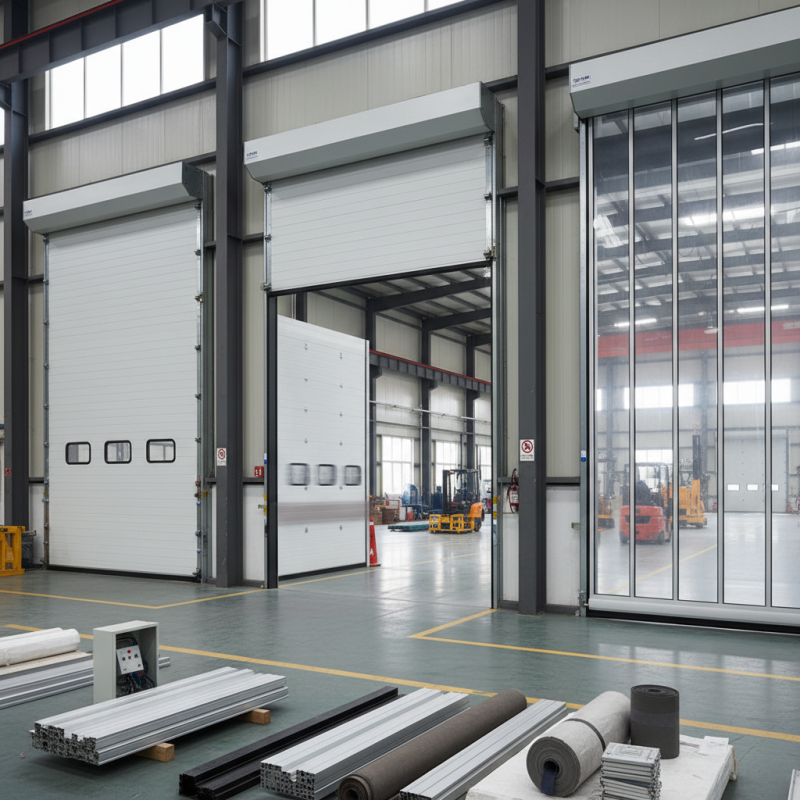
In the industrial sector, raw material costs significantly impact high-speed door prices. The types of materials used can vary widely. Steel, aluminum, and various polymers all have different price points. The fluctuation in prices of these materials can result from global demand and supply issues.
Transportation costs also play a vital role. If materials need to travel long distances, prices can increase. Local sourcing might mitigate some costs, but availability is a factor. This contributes to balancing quality and affordability, a tricky dilemma for manufacturers. High-quality materials often come at a premium, creating a tension between cost and durability.
Production processes can further influence pricing. Specialized machinery and labor forces can add to the final cost. Investing in advanced technology might seem beneficial. However, it raises questions about return on investment and market competitiveness. The reliance on skilled labor is essential but can be irregular, leading to production delays. Such complexities make it challenging to pin down an accurate pricing strategy for high-speed doors.
The evolution of manufacturing technology significantly impacts industrial high-speed door pricing. Advanced automation reduces labor costs. However, initial investments can be substantial. Many manufacturers face a delicate balance. They must weigh upfront costs against long-term savings.
New materials and engineering techniques enhance durability. Yet, these innovations can increase the price point. High-tech features like sensors and energy efficiency add value but also complexity. Some factories struggle to adopt these advancements. Worker training is essential but often overlooked.
Market competition adds another layer. Companies that embrace technology can offer better pricing. However, others may lag, struggling with outdated processes. This inconsistency raises questions about fairness in pricing. Are consumers paying for innovation, or simply for inefficiency? As the industry evolves, manufacturers must reflect on these challenges.
| Factor | Impact on Price (%) | Description |
|---|---|---|
| Material Quality | 30% | Higher quality materials lead to increased durability and performance. |
| Manufacturing Technology | 25% | Advanced manufacturing processes can significantly reduce costs and increase efficiency. |
| Design Complexity | 20% | Complex designs may require more labor and specialized equipment, affecting pricing. |
| Market Demand | 15% | Higher demand can lead to increased prices due to supply constraints. |
| Custom Features | 10% | Special features such as automation and safety systems can raise costs. |
| Manufacturer's Reputation | 5% | Established brands may charge premium prices due to perceived reliability. |
| Warranty and Service | 5% | Extended warranties and quality after-sales service can influence pricing. |
| Regulatory Compliance | 5% | Meeting safety and environmental regulations can add to production costs. |
| Supply Chain Efficiency | 5% | An efficient supply chain can reduce delivery times and costs. |
| Economic Conditions | 5% | Overall economic factors can influence material costs and demand. |
Market demand plays a crucial role in determining industrial high-speed door prices. Recent industry reports indicate that the market is growing at a steady rate of 8% annually. Factors such as increased automation and energy efficiency are driving this demand. Companies seek faster operations and energy savings, pushing prices upward.
As production expands, supply chain constraints may arise. These limitations can inflate costs unexpectedly. The trend shows that manufacturers are responding with flexible pricing strategies. Adapting to fluctuating demand helps maintain competitiveness.
Tips: Keep an eye on industry trends. Understanding market dynamics can aid in making informed decisions. Evaluate your operational needs regularly. Adjusting requirements may lead to cost savings. Embrace changes in the market. They can influence pricing in significant ways.
Economic conditions play a crucial role in shaping the prices of industrial high-speed doors. In recent years, fluctuations in raw material costs have been significant. For instance, steel prices have soared, affecting manufacturing costs. According to a report by the International Steel Association, steel prices increased by over 25% in 2021. This surge directly impacts the final price of high-speed doors made from steel components.
Moreover, the overall economic landscape influences purchasing power. When economies expand, businesses invest more in infrastructure and improve operational efficiency. A survey by the National Association of Manufacturers indicated a 15% increase in capital expenditure among industrial firms in 2022. Conversely, during economic downturns, demand often declines. Contractors and manufacturers may delay purchases, further affecting door pricing. Initial projections indicate the market may see price fluctuations up to 10% as economic conditions change.
Supply chain issues also contribute to price volatility. The pandemic highlighted vulnerabilities in logistics and material supply. Delays in production can lead to increased costs for manufacturers, which are then passed on to customers. Research from the Economic Policy Institute shows that supply chain disruptions can inflate prices by an average of 3 to 5% in affected sectors. This environment creates uncertainties for both manufacturers and buyers.
The competitive landscape of industrial high-speed doors greatly influences their pricing. Market rivals can lead to pricing volatility. A recent industry report highlights that achieving a higher market share can drive prices down. For example, when a new player enters the market, existing manufacturers often lower prices to retain customers. Recent data indicates that price reductions can reach up to 15% during competitive phases.
Moreover, technological advancements play a crucial role in pricing variability. Companies introducing innovative features attract more customers. These features often come with price hikes. According to a report from a leading industry analyst, products with advanced automation features saw price increases of about 10-20%. This situation creates a dichotomy; while new innovations may justify higher costs, they can also lead to uncertainty in pricing strategies.
The influence of raw materials is another factor. Fluctuations in material costs can significantly affect prices. Data reveals that a 5% increase in raw materials can elevate door prices by 3-7%. This creates challenges for manufacturers who must balance quality and affordability. Many struggle to find this equilibrium. As competition intensifies, the focus on cost control becomes paramount, but not all companies manage to achieve this effectively.
: Various materials like steel, aluminum, and polymers affect prices. Their costs fluctuate due to global supply and demand.
Long-distance transport increases prices. Local sourcing can help, but availability remains a concern.
High-quality materials cost more. Manufacturers often struggle to find a price balance that meets customer needs.
Specialized machinery and skilled labor can increase costs. Investment in technology raises questions about its value.
Market rivals create pricing volatility. New entrants may force existing companies to reduce prices to keep customers.
Innovative features can attract customers but also drive prices up by 10-20%. It creates uncertainty for manufacturers.
A 5% rise in raw material costs can elevate door prices by 3-7%. Companies often struggle to manage these fluctuations.
As competition grows, controlling costs becomes crucial. Not all companies successfully navigate this complexity.
The price of industrial high-speed doors is influenced by various factors that reflect the complexities of the market. Key factors include the costs of raw materials, which fluctuate based on global supply chain dynamics, and advancements in manufacturing technology that can either raise or lower production expenses. Additionally, market demand trends significantly impact pricing strategies, as fluctuating needs in specific industries can lead to price adjustments.
Economic conditions also play a crucial role in determining costs, with factors such as inflation and overall economic health affecting both supply and consumer purchasing power. Lastly, the competitive landscape among manufacturers introduces variability in pricing, as companies must adapt to rival offerings. Overall, potential buyers often wonder, "How much does an industrial high-speed door cost?"—an inquiry that can vary greatly based on these influencing factors.

Labor Door