In today's warehouse logistics, heat loss is a significant challenge. Effective strategies can lead to substantial energy savings and improved efficiency. "How to minimize heat loss in a large distribution center?" is a question many experts face. One such authority, John Hartman, a specialist in warehouse energy management, emphasizes, “Investing in proper insulation is critical for any large distribution center.”
Large distribution centers often feature expansive spaces that can lose heat rapidly. Identifying weak points in insulation, sealing gaps, and utilizing energy-efficient lighting can mitigate this issue. Simple actions, like closing dock doors promptly, can also dramatically reduce energy waste. However, companies sometimes overlook these seemingly small details.
While advancements exist in technology and processes, the practical application is often lacking. Training staff to recognize heat loss points is just as important as implementing physical solutions. Continual assessment is vital, as what works today may need re-evaluation tomorrow. Balancing innovation with basic maintenance practices can create a resilient environment against heat loss.
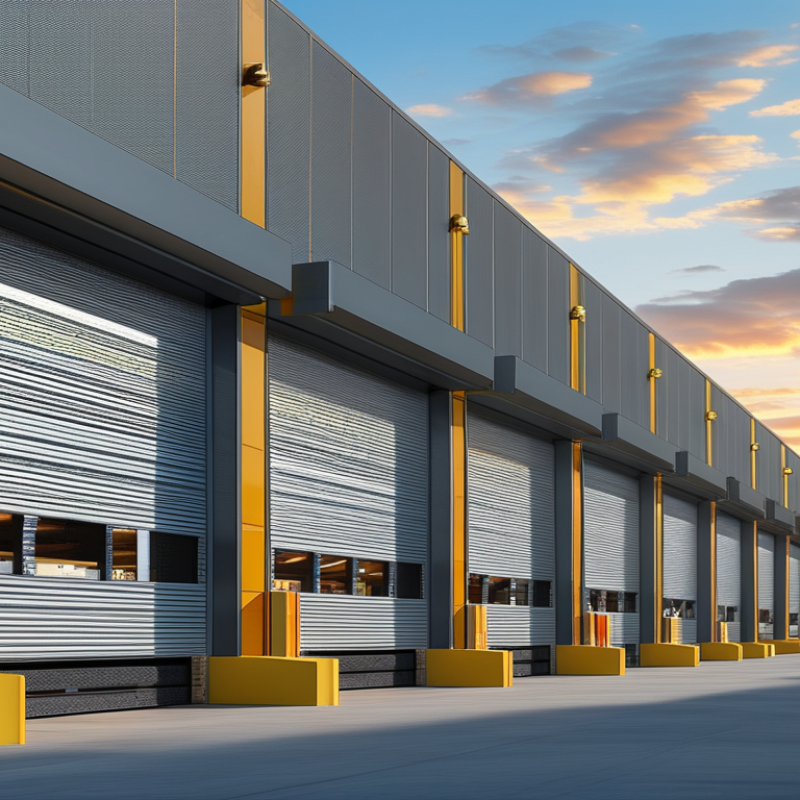
Reducing heat loss in large distribution centers is essential for efficiency and cost savings. Simple measures can make a notable difference. Insulation is a key element. High-quality insulation in walls and ceilings slows heat transfer. Look for gaps or cracks; these are often overlooked areas.
Next, consider doorways. Installing airtight seals on loading dock doors can prevent drafts. Automatic roll-up doors also help maintain temperature. Additionally, using air curtains can create a barrier against outside air. They are effective but often underappreciated in their role.
Lastly, energy-efficient lighting is vital. Switching to LED lights reduces heat generation and saves energy. Implementing smart thermostats can optimize heating and cooling systems. These devices adjust based on real-time needs, providing significant energy savings. However, it’s important to regularly maintain systems for optimal performance. Make regular checks part of your routine to avoid issues and enhance reliability.
| Method | Description | Estimated Savings (%) | Implementation Cost ($) |
|---|---|---|---|
| Insulation Upgrade | Improve wall and roof insulation to minimize thermal transfer. | 20% | 15,000 |
| Air Sealing | Seal cracks and openings to prevent air leaks. | 15% | 5,000 |
| Energy-efficient Windows | Install double or triple-glazed windows to reduce heat loss. | 10% | 20,000 |
| Thermal Curtains | Use thermal curtains at loading docks to minimize heat loss. | 5% | 2,500 |
| Heating System Upgrade | Replace or upgrade the heating system for better efficiency. | 25% | 30,000 |
| Smart Thermostat | Install a smart thermostat to optimize heating schedules. | 8% | 1,000 |
| Reflective Roof Coating | Apply reflective coatings to reduce heat absorption. | 12% | 10,000 |
| Regular Maintenance | Conduct regular HVAC maintenance to ensure efficiency. | 7% | 3,000 |
| Zoning Systems | Create heating zones based on area usage to reduce wastage. | 18% | 12,000 |
| Use of Efficient Lighting | Switch to LED lighting to reduce heat generation. | 5% | 4,000 |
Heat loss in large distribution centers is a complex challenge. Understanding how heat escapes is crucial. Major mechanisms include conduction, convection, and radiation. Walls, roofs, and floors play a role in conduction. If insulation is poor, heat easily moves outside. Drafts from doors and windows can worsen this issue. Gaps allow cold air in and warm air out.
Proper insulation is needed. Insulating materials should be high-quality and appropriately installed. This minimizes heat transfer. Consider the building's orientation and design, too. South-facing walls can capture more sunlight. Simple strategies can make a big difference. Installing clear panels or skylights enhances natural light, reducing heating needs during the day.
Reflect on your space. Are there hidden gaps or inefficiencies? Regular maintenance is vital. Check seals on doors and windows frequently. Address leaks immediately to prevent excessive heat loss. Awareness of these mechanisms will guide better energy management.
Insulation is vital for large distribution centers aiming to minimize heat loss. Effective thermal barriers significantly enhance energy efficiency. Choosing the right materials can help maintain stable indoor temperatures.
Insulating walls, roofs, and floors not only reduces energy costs but also improves overall comfort for employees.
Reflecting on insulation strategies, many centers overlook potential air leaks. Proper sealing of joints and openings is crucial.
Even minor gaps can lead to significant energy loss over time. Another common mistake involves using insulation that does not meet local climate requirements. Tailoring insulation types to your environment can yield better results.
Regular maintenance of insulation systems is essential. Periodic checks can identify wear and tear that compromise efficiency. Sometimes, even a well-insulated structure might have hidden issues.
Assessments should consider varying insulation quality across different sections. A proactive approach ensures that insulation continues to perform effectively, protecting investments in energy savings.
In large distribution centers, minimizing heat loss is critical for efficiency. Energy-efficient doors and windows play a significant role in reducing infiltration rates. According to the U.S. Department of Energy, up to 30% of a building's heating energy can escape through inefficient doors and windows. This can lead to higher operational costs and increased environmental impact.
Utilizing insulated doors can help maintain consistent indoor temperatures. High-performance windows with low-E coatings can also reduce thermal transfer. Installation precision is vital; poorly fitted products allow air leaks. A study by the American Society of Heating, Refrigerating and Air-Conditioning Engineers (ASHRAE) notes that every gap can increase heating costs by 10-20%.
Regular inspections of the seals and weatherstripping are essential for maintaining efficiency. Buildings should consider advanced glazing techniques and tight seals to achieve optimal results. While these solutions require an upfront investment, the long-term savings can be substantial. Balancing initial costs with potential energy savings can be challenging, and the benefits may not be immediately apparent. Each approach requires careful planning and execution to avoid common pitfalls in installation and maintenance.
Advanced HVAC systems are crucial in managing climate control in large distribution centers. These systems are designed to optimize energy efficiency while maintaining a comfortable environment. They adapt to the specific needs of the facility, ensuring that temperature and humidity levels are consistently regulated.
Implementing multiple zones within the center can lead to significant energy savings. Sensors monitor temperature variations and adjust airflow accordingly. However, this technology requires continuous evaluation. Is the system accurately detecting temperature changes? Are there any areas consistently struggling with heat retention? Addressing these questions helps in fine-tuning the system.
Moreover, regular maintenance is essential. Over time, filters and ducts can accumulate dirt and dust, impacting performance. An overlooked HVAC system can lead to higher energy costs and discomfort for employees. Organizations must implement routine inspections and repairs. This practice not only prolongs system life but also ensures optimal climate control. Balancing efficiency with reliability remains a key challenge for many distribution centers.
Regular maintenance protocols play a crucial role in minimizing heat loss in large distribution centers. According to the U.S. Department of Energy, proper maintenance can reduce energy costs by as much as 30%. Ensuring that insulation remains intact is vital. Small gaps can significantly impact temperature control. Regular inspections should be scheduled quarterly. This frequency allows for timely identification of issues.
Moreover, HVAC systems require ongoing attention. Filters must be replaced monthly to maintain efficiency. A dirty filter can decrease airflow and increase energy consumption. Research shows that well-maintained HVAC systems operate at 10-15% higher efficiency. Staff training on energy-saving practices also enhances performance. Even minor adjustments, like closing doors promptly, can make a difference.
Implementing a systematic approach to maintenance can lead to long-term energy savings. However, many facilities overlook the importance of documentation. Tracking maintenance actions helps identify recurring problems. It creates a feedback loop for improvement. Energy audits can also pinpoint inefficiencies. These audits uncover hidden areas of heat loss. Regularly reviewing this data fosters a proactive culture around energy management. Achieving optimal performance requires ongoing effort and commitment.
This chart represents the effectiveness of various methods for reducing heat loss in large distribution centers. The data shows estimated energy savings as a percentage based on the implementation of these methods.
: Insulation minimizes heat loss and enhances energy efficiency, which reduces energy costs and improves employee comfort.
Many overlook air leaks or use insulation unsuitable for their climate, leading to inefficient energy use.
Even small gaps can cause significant heat loss over time, increasing operational costs dramatically.
Regular checks are crucial to identify issues like wear that can reduce insulation effectiveness and energy savings.
Energy-efficient doors and windows reduce infiltration rates, preventing up to 30% heating energy loss.
Poorly fitted windows allow air leaks, leading to increased heating costs and undermining energy savings.
Advanced HVAC systems optimize energy efficiency by regulating temperature and humidity levels across multiple zones.
Continuous evaluation is needed to ensure sensors accurately detect temperature changes and manage airflow effectively.
Accumulated dirt in filters and ducts can lead to higher energy costs and discomfort, reducing overall system efficiency.
Finding the right mix of upfront costs for advanced systems and the potential long-term savings can be challenging.
In addressing the critical question of how to minimize heat loss in a large distribution center, several effective strategies can be employed. Understanding the mechanisms of heat loss is crucial, allowing managers to implement insulation techniques that enhance thermal barriers. By choosing energy-efficient doors and windows, facilities can significantly reduce infiltration rates, leading to lower energy costs.
Additionally, the implementation of advanced HVAC systems tailored for optimal climate control ensures that temperature regulation is efficient. Establishing regular maintenance protocols is essential, not only for immediate energy savings but also for long-term sustainability. Collectively, these approaches provide a comprehensive framework for reducing heat loss, ultimately supporting both operational efficiency and cost-effectiveness in large warehousing environments.

Labor Door