A high-speed door may open hundreds of times each day. Behind every smooth movement, the motor needs controlled acceleration, accurate stopping, and dependable protection. This raises an important question: Why use a variable frequency drive (VFD) in high speed doors? A VFD adjusts motor frequency and voltage, allowing the door to move at different speeds without harsh mechanical starts. The result can be quieter operation, reduced vibration, and less stress on belts, shafts, bearings, and curtain panels.
Kimmo Rauma, a Danfoss Drives expert, explains the principle clearly: “A drive should match the application, not simply the motor.” That perspective matters in real installations. A warehouse door may need rapid opening, gentle closing, and repeated reversing near loading bays. A properly selected VFD can support these demands while working with sensors, limit switches, braking systems, and safety controls. It can also reduce wasted energy during partial-speed movement, although savings depend on the door design and operating pattern.
A VFD is not a magic box. Poor programming can create delays, overheating, or uncomfortable door movement. The drive must match the motor rating, duty cycle, enclosure conditions, and control architecture. Technicians should test acceleration ramps, stopping distance, fault responses, and emergency functions on site. Small details matter. A door that stops 100 millimeters too late can interrupt traffic and create avoidable risk. This introduction examines how VFD technology improves high-speed door performance, where its limitations appear, and why professional commissioning remains essential for reliable daily operation.
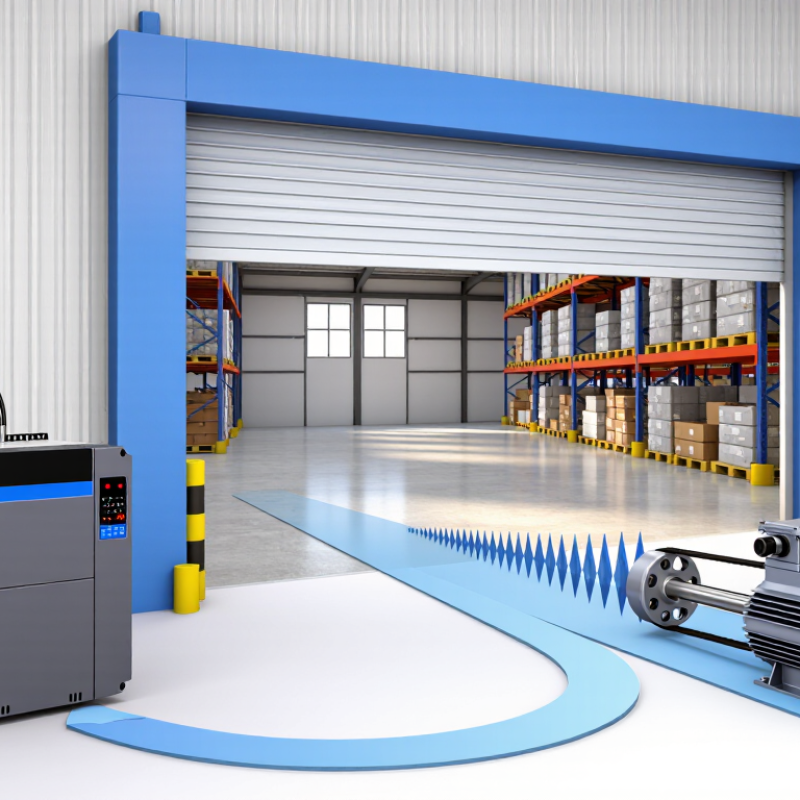
A VFD, or variable frequency drive, is an electronic controller used in high-speed door systems. It regulates the motor’s frequency and voltage. This allows the door to accelerate and decelerate at controlled speeds. Instead of starting abruptly, the curtain moves smoothly from the first few centimeters. It then slows before reaching the floor or header.
In practical installations, this control reduces mechanical shock on shafts, guides, brakes, and door panels. It can also support faster opening cycles without forcing the motor to work harshly. Operators may adjust speed for different room conditions, traffic patterns, or safety requirements. A properly configured VFD helps limit vibration and may reduce unnecessary energy use during repeated operation. It is not magic. Poor settings can still create noise, overheating, or inconsistent stopping.
Technicians usually check motor data, acceleration time, deceleration time, and emergency-stop behavior during commissioning. They also inspect the door after many cycles, not just during the first test. That detail matters. A heavy panel, cold environment, or frequent forklift traffic can change performance. Some systems may not need advanced speed control, especially when the door is small and lightly used. Choosing a VFD should follow the motor type, duty cycle, door weight, and required safety controls. Small changes help. Regular inspection remains necessary.
What Is a VFD in High Speed Doors and Why Use It?
A variable frequency drive, or VFD, controls the electric motor inside a high-speed door. It changes motor frequency and voltage during each movement. This allows the door to start smoothly, move quickly, and slow down before closing. The result feels controlled rather than abrupt.
How a VFD Controls High-Speed Door Movement
When a sensor detects a vehicle or worker, the door controller sends a signal to the VFD. The VFD increases motor speed through a programmed acceleration ramp. This reduces sudden torque and limits stress on shafts, curtains, and guide tracks. During closing, the drive lowers frequency gradually. The door then reaches its final position with less impact.
Small details matter. A door may open rapidly in a clean, warm factory. Dust, cold temperatures, or heavier curtains can change motor behavior. Technicians should check acceleration, deceleration, braking, and position settings during commissioning. Poor tuning can cause vibration, drifting, or repeated safety stops. I have seen doors operate well for weeks, then behave differently after track wear appeared.
A VFD can also reduce wasted energy during frequent cycles. It helps match motor output to the actual movement demand. However, it does not replace inspections or protective sensors. Operators still need to test emergency stops, photo eyes, and manual release systems. The best performance usually comes from careful adjustment, not maximum speed.
How a VFD controls high-speed door movement through motor frequency
This chart shows the theoretical synchronous speed of a four-pole AC motor as a VFD changes the output frequency. Motor speed is approximately proportional to frequency, allowing controlled acceleration, deceleration, and positioning. The actual loaded speed is slightly lower because of motor slip, while the door’s final opening speed also depends on its gearbox and mechanical design.
A VFD, or variable frequency drive, controls the motor speed in a high speed door. It adjusts frequency and voltage during opening and closing. This creates smoother movement and reduces mechanical shock. The result is quieter operation, fewer sudden stops, and better control in busy facilities. Speed can also be matched to traffic patterns.
The drive is the system’s control center. It receives commands from push buttons, pull cords, radar sensors, or access controls. A motor converts electrical power into movement, while an encoder monitors the door’s position. This feedback helps the controller correct travel distance and reduce overrun. A control panel connects these parts and stores operating settings. It should remain clean, dry, and easy to inspect.
Safety devices are equally important. Photoelectric sensors detect people, vehicles, or objects near the opening. A bottom safety edge can trigger reversal when it contacts an obstruction. Emergency stop controls provide another layer of protection. Many systems also use a braking resistor to manage excess energy during rapid deceleration. Electrical protection, grounding, and a lockable disconnect support safer servicing.
Field checks often reveal a simple problem: sensors are installed correctly but poorly aligned later. Dust, vibration, and rushed adjustments can affect performance. A VFD door system is not maintenance-free. Its settings should be reviewed after repairs, seasonal changes, or unusual noise. Small details matter here.
A variable frequency drive, or VFD, controls a door motor’s speed and acceleration. It adjusts electrical frequency instead of forcing the motor to run at one fixed rate. In a busy warehouse, this creates smoother opening and closing movements. Forklifts face fewer sudden stops near the doorway. The door also produces less vibration during each cycle.
The main benefit is reduced mechanical stress. Controlled acceleration protects belts, shafts, bearings, and curtain systems from harsh starts. Controlled deceleration helps prevent slamming at the end of travel. This can reduce maintenance interruptions and extend service life. A VFD can also improve energy efficiency, especially when doors cycle frequently throughout the day. Faster recovery after each opening may help stabilize indoor temperatures.
There are practical benefits, too. Technicians can adjust speed profiles for different operating conditions. Diagnostic information may help identify motor faults before a complete shutdown. Noise can decrease in facilities where doors operate beside offices or production areas. However, energy savings are not automatic. A poorly configured drive can create heat, electrical noise, or uneven movement. Proper motor sizing, ventilation, grounding, and commissioning matter. In my experience, the best results come from reviewing real cycle data instead of trusting estimated savings. A VFD is useful, but it is not a cure for poor door alignment or neglected maintenance.
What Is a VFD in High Speed Doors and Why Use It?
A variable frequency drive, or VFD, controls the motor’s speed and acceleration in a high speed door. It can create smoother starts, quieter movement, and less mechanical stress. This matters in busy warehouses where doors may cycle hundreds of times daily. However, selecting a VFD door system requires more than matching motor power.
Factors to Consider When Choosing a VFD Door System
Check the motor rating, door weight, opening speed, and expected cycles per hour. The VFD must handle the motor’s current without operating at its limit. Consider acceleration and deceleration settings, especially where forklifts move through narrow openings. A controlled stop can reduce curtain movement and component wear. Environmental conditions also matter. Dust, humidity, cold rooms, and washdown areas may require suitable enclosure protection. Confirm that the VFD communicates correctly with sensors, emergency stops, access controls, and building systems. Maintenance access should be practical, not merely possible. In real installations, poor cable routing can create noise and troubleshooting delays. A perfect selection is rare; site testing still matters.
Tips: Record actual cycle counts for one week before choosing the drive. Leave space for ventilation and future servicing. Ask for commissioning data, fault history, and motor compatibility. Keep settings documented. Small omissions become expensive later.
| Evaluation Dimension | What a VFD Does | Typical High-Speed Door Consideration | Recommended Selection Guidance | Operational Benefit |
|---|---|---|---|---|
| Motor Speed Control | Adjusts motor frequency and voltage to control acceleration, running speed, and deceleration. | Opening and closing speeds depend on door size, curtain weight, traffic frequency, and safety requirements. | Select a drive with adjustable speed profiles and sufficient motor capacity for the door load. | Enables smoother movement and helps reduce mechanical shock. |
| Acceleration and Deceleration | Controls how quickly the motor reaches operating speed or stops. | Short ramps may improve cycle time, while longer ramps can reduce stress on shafts, guides, and drive components. | Choose independently adjustable acceleration and deceleration times. | Reduces sudden starts, abrupt stops, vibration, and component wear. |
| Motor Compatibility | Provides controlled power to an induction motor or another motor type supported by the drive. | Door systems may use different motor ratings, voltage requirements, and full-load current values. | Match the VFD output voltage, current, frequency range, and control mode to the motor nameplate data. | Improves motor performance and reduces the risk of overload or overheating. |
| Rated Capacity | Defines the maximum continuous output current and overload capability of the drive. | Frequent door cycles can create repeated thermal and electrical demand. | Size the drive by motor current rather than horsepower alone, and consider the required duty cycle. | Supports reliable operation during intensive traffic conditions. |
| Cycle Frequency | Manages repeated motor starts, stops, and speed changes. | High-traffic facilities may operate the door dozens or hundreds of cycles per day. | Verify the drive's continuous-duty rating, overload rating, and cooling requirements. | Helps maintain consistent performance over frequent operating cycles. |
| Energy Efficiency | Reduces unnecessary motor speed and power consumption during controlled operation. | Energy savings are influenced by door size, opening frequency, motor load, and building temperature control. | Use variable speed only where it supports the door's operating profile; assess energy use over the full duty cycle. | Can reduce energy waste and limit air exchange when the door is used between conditioned areas. |
| Positioning Accuracy | Works with limit switches, encoders, or other feedback devices to control door travel. | Accurate stopping is important for sealing, clear opening height, and protection of the bottom edge. | Select compatible feedback inputs and confirm that the control system supports repeatable stopping. | Improves door alignment and helps prevent unnecessary impact at the end positions. |
| Safety Integration | Can receive stop, enable, emergency-stop, and safety-device signals, depending on the model and control architecture. | Typical devices include photoelectric sensors, safety edges, pull cords, and emergency-stop controls. | Use a safety circuit designed according to applicable machinery and electrical safety requirements; a VFD alone is not a complete safety system. | Supports safer interruption of door movement when an obstruction or emergency condition is detected. |
| Braking Requirements | Controls motor deceleration and may support dynamic braking through an external braking resistor. | Large or fast-moving doors may require additional braking control to stop within the required distance. | Check stopping time, load inertia, cycle frequency, and braking resistor compatibility. | Provides more controlled stopping and may improve response during high-speed operation. |
| Environmental Protection | Operates electronic power components within a specified temperature, humidity, dust, and vibration range. | Washdown areas, cold rooms, dusty plants, and outdoor locations impose different enclosure demands. | Confirm enclosure rating, operating temperature range, ventilation, corrosion resistance, and installation location. | Improves service life and reduces failures caused by moisture, dust, or excessive heat. |
| Electrical Supply | Converts incoming electrical power into controlled output power for the motor. | Available supply may be single-phase or three-phase and may vary by facility. | Verify input voltage, phase configuration, frequency, short-circuit rating, grounding, and local electrical requirements. | Promotes stable operation and helps prevent installation-related electrical problems. |
| Control Interface | Accepts commands from push buttons, access controls, sensors, programmable controllers, or building systems. | Doors may need automatic opening, interlocking, timed closing, or traffic-light control. | Confirm the available digital inputs, relay outputs, communication ports, and control logic. | Allows the door to integrate with facility workflows and access procedures. |
| Noise and Vibration | Uses controlled motor waveforms to reduce abrupt torque changes and mechanical resonance. | Noise sensitivity may be important in cleanrooms, food-processing areas, warehouses, and occupied buildings. | Review carrier-frequency settings, motor-cable requirements, mounting, and mechanical balance. | Can provide quieter and smoother operation when correctly configured. |
| Installation and Commissioning | Requires parameter setup for motor data, ramp times, limits, inputs, outputs, and protection functions. | Incorrect settings can cause nuisance trips, poor stopping accuracy, or excessive motor heating. | Use qualified personnel to configure and test the complete door system under normal and fault conditions. | Improves startup reliability and reduces commissioning time. |
| Maintenance and Diagnostics | Records fault codes and may display current, frequency, temperature, and operating status. | Fast diagnosis is valuable when a door is part of a production, logistics, or temperature-controlled process. | Prioritize accessible diagnostics, replaceable components, parameter backup, and clear service documentation. | Can shorten troubleshooting time and reduce unplanned downtime. |
| Lifecycle Cost | Influences purchase cost, installation effort, energy consumption, maintenance, and component replacement. | The lowest initial price may not provide the best value for high-cycle or demanding environments. | Compare total cost of ownership, expected duty cycle, service support, spare parts, and energy performance. | Supports a more economical and predictable long-term door investment. |
It controls motor speed, voltage, and frequency during opening and closing. Starts become smoother. Sudden stops are reduced.
It reduces mechanical shock, noise, and unnecessary wear. Speed can match warehouse traffic, including frequent forklift movement.
The system may include a motor, encoder, control panel, sensors, and emergency stop controls. Each part has a specific role.
An encoder monitors the door’s position. Its feedback helps correct travel distance and reduce overrun during movement.
Photoelectric sensors detect people, vehicles, and objects. A bottom safety edge can trigger reversal after contact.
Review motor rating, door weight, opening speed, and cycles per hour. The drive should not operate at its limit.
Yes. Dust, humidity, cold rooms, and washdown areas may require suitable enclosure protection. Ventilation space also matters.
Keep the control panel clean, dry, and accessible. Check sensor alignment after vibration, repairs, or seasonal changes.
Record actual cycle counts for one week. Keep motor compatibility, settings, commissioning data, and fault history documented.
No. It still needs inspection and adjustment. Small details, such as cable routing, may cause delays or noise.
A variable frequency drive (VFD) is an electronic controller that adjusts the speed and torque of a high-speed door motor by regulating electrical frequency and voltage. In a VFD door system, the controller works with the motor, control panel, sensors, safety devices, and door mechanism to provide smooth acceleration, reliable stopping, and accurate positioning. Why use a variable frequency drive (VFD) in high speed doors? It helps reduce mechanical stress, improve operating efficiency, lower noise, and support longer service life for key components.
When choosing a VFD high-speed door system, consider the door’s size, weight, operating frequency, required opening and closing speeds, environmental conditions, safety features, and maintenance needs. A suitable system should offer stable performance, responsive protection, easy adjustment, and compatibility with the facility’s electrical supply. By matching the VFD and door components correctly, users can achieve safer movement, better traffic flow, reduced downtime, and dependable performance in demanding industrial or commercial environments.

Labor Door