Engineered to isolate indoor environments, repel moisture-laden sea breeze, and maintain agricultural climate integrity in tropical zones.
Kiribati, a nation consisting of 32 atolls and one raised coral island spanning the equator, experiences one of the most intense marine environments globally. The local climate is defined by year-round high temperatures, high relative humidity (frequently exceeding 80%), and constant exposure to highly corrosive, salt-laden marine air. In this unique geographical context, traditional building envelopes face severe operational challenges. Energy systems, refrigeration structures, and agricultural greenhouses must endure constant heat stress while preventing the penetration of corrosive atmospheric elements.
For commercial warehouses in Tarawa, processing facilities on Kiritimati, and agricultural developments across the archipelago, maintaining internal temperature stability is critical. Standard door openings without functional barriers lead to rapid thermal exchange, putting immense load on localized air conditioning and refrigeration systems. Modern air curtain systems act as an invisible, high-velocity aerodynamic barrier, isolating indoor air masses from external equatorial heat, moisture, and pests, without restricting the flow of personnel and vehicles.
An air curtain operates on the fluid dynamics principle of laminar airflow. By generating a continuous stream of high-velocity air directed across an opening, the system creates a kinetic seal. This kinetic barrier functions as a physical wall, limiting heat transfer (convection) and preventing air mass mixing.
"In equatorial maritime zones like Kiribati, the primary metric of air curtain performance is the integrity of the thermal lock. A failure to maintain velocity profiles across the entire height of the opening allows warm, humid air to enter at the header or floor level, resulting in immediate condensation, structural corrosion, and rapid mold growth."
To achieve high performance under these conditions, systems must be constructed with advanced marine-grade materials. Wenzhou Labor Door Co., Ltd. incorporates corrosion-resistant alloys, stainless steel 316 (SS316) hardware, and IP65-rated moisture-resistant motors. These design choices ensure the physical air barrier survives the destructive effects of salty ocean breezes and high ambient humidity.
The integration of advanced air barrier and cooling technology solves several critical challenges across Kiribati's main commercial sectors:
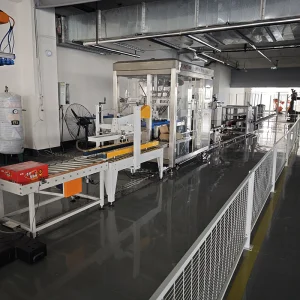
As a leading manufacturer specializing in automatic doors and high-efficiency air barrier systems, Wenzhou Labor Door Co., Ltd. applies Industry 4.0 manufacturing processes to solve complex global engineering challenges. Based in Wenzhou, China, our 2,000-square-meter facility utilizes computerized CNC fabrication, automated impeller balancing, and strict Quality Assurance (QA) testing.
We manage the entire production cycle, from raw material selection to final assembly, ensuring all systems meet strict international quality standards. With over 15 years of customized manufacturing experience, we serve customers in more than 40 countries, including Europe, the USA, and Canada. This deep export experience allows us to manage the logistics of shipping complex machinery to remote Pacific destinations like Kiribati safely and efficiently.
| Product Series | Key Engineering Feature | Kiribati Target Application | Corrosion Protection Level |
|---|---|---|---|
| Industrial Air Barrier Series | Dual-velocity centrifugal fan, IP65 Motor | Marine cold stores, seafood packaging | C5-M Heavy Marine Standard |
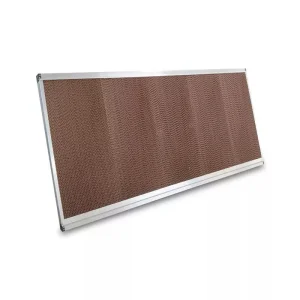
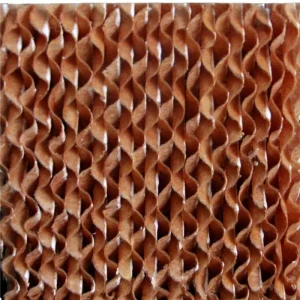
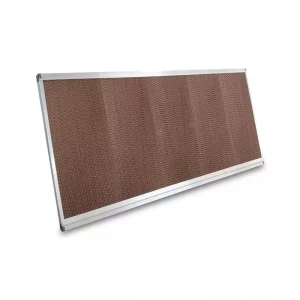
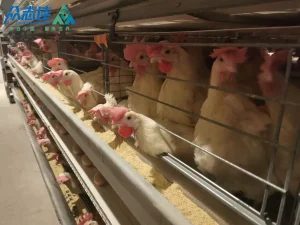
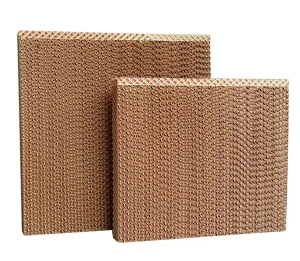
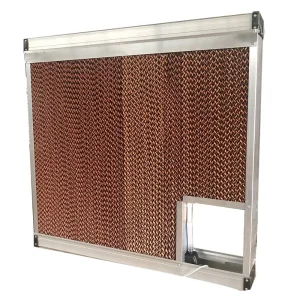
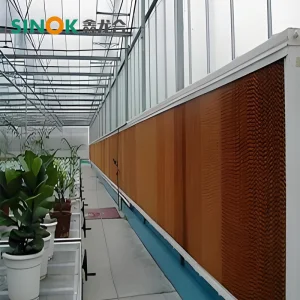
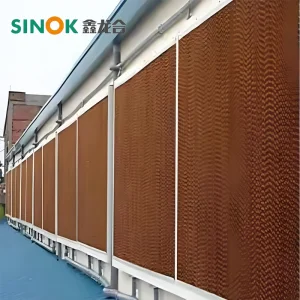
| Evaporative Pad Systems | Cross-fluted cellulose media, self-cleaning | Poultry houses, agricultural greenhouses | UV-stabilized, rot-proof treatment |
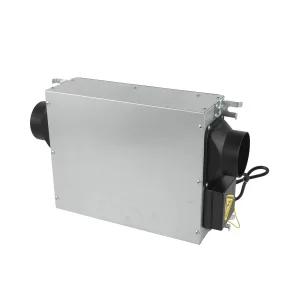
| Cleanroom Air Purification | Multi-stage HEPA and active carbon filtration | Medical storage, packaging facilities | Sealed anti-microbial housing |
With the global push toward carbon neutrality, building energy efficiency is no longer optional. Modern developers in the South Pacific must meet strict Environmental, Social, and Governance (ESG) criteria. The installation of energy-saving air curtains directly supports these goals by reducing structural HVAC energy requirements.
Furthermore, our cooling systems use eco-friendly inverter technologies with low Global Warming Potential (GWP), aligning with the Kigali Amendment to the Montreal Protocol. This commitment ensures that projects in Kiribati comply with both local conservation policies and international environmental standards.
Quality Changes the World
Wenzhou Labor Door Co., Ltd. is a leading manufacturer specializing in high-quality automatic doors and advanced environmental barrier systems. With over 15 years of experience in customized production, we are committed to offering innovative and reliable solutions that meet the evolving needs of our global clients. Our factory is located in Wenzhou, China, covering a total area of 2,000 square meters, equipped with state-of-the-art technology to ensure high precision and efficiency in production.
Our team of engineers and technicians has decades of combined experience, enabling us to handle the most challenging commercial and industrial projects.
We offer cost-effective solutions without compromising on build quality. Our highly efficient production methods help us pass savings directly to our clients.
With our products already exported to over 40 countries, we have developed a deep understanding of international engineering standards, logistical constraints, and customs regulations.
Whether you need a customized air barrier width, specific voltage motors for remote Pacific grids, or anti-corrosive treatments, we provide tailormade engineering.
Since our inception, we have made significant strides in product development and process optimization. With continuous investment in professional production equipment and research & development, we ensure that our doors and air curtain systems not only meet but exceed international quality standards.
At Wenzhou Labor Door Co., Ltd., we adhere to the management principles of “Quality First, Customer First, and Credit-Based.” We are dedicated to transforming the world with high-quality automatic door solutions that enhance convenience, security, and aesthetics. Our ultimate goal is to become the preferred global partner in providing seamless and reliable access solutions.
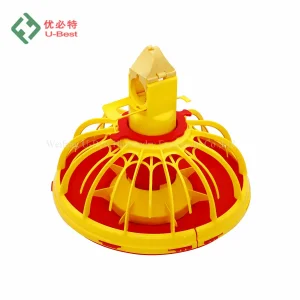
A comprehensive selection of air barriers, evaporative wet pads, livestock feeding systems, and smart packing systems designed for global exporters.
Crucial engineering insights for project managers, structural engineers, and import brokers in the Pacific Islands.
 Labor Door